
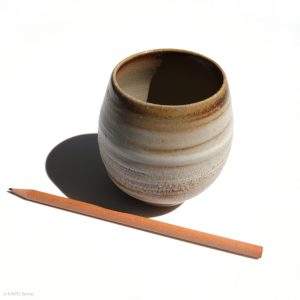
ISHIDA Kazuya Rahō Spiral Cup
169,00 €
incl. 19% VAT plus shipping
ISHIDA Kazuya
Bizen, Japan
Ceramics – Handmade
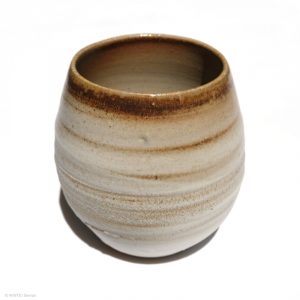
Rahō Cup with Spiral design in Bizen clay, wood-fired
As each piece is handmade, every creation is unique and may vary slightly in shape, colour, size, and weight from the item shown in our gallery.
We would be pleased to provide you with a photo or video of your selected piece for confirmation prior to purchase. Please feel free to contact us before placing your order. We look forward to hearing from you.
Delivery Time: Approx. 4–5 business days.
In stock
Description
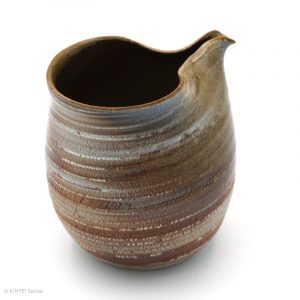
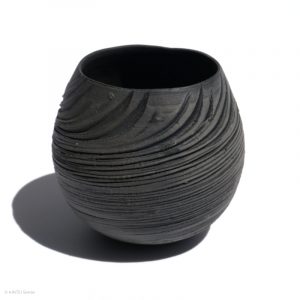
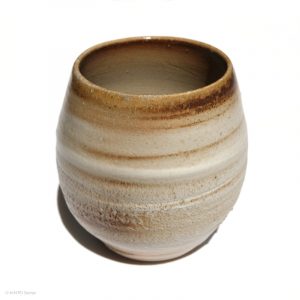
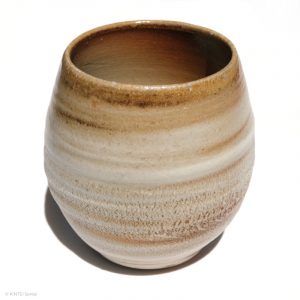
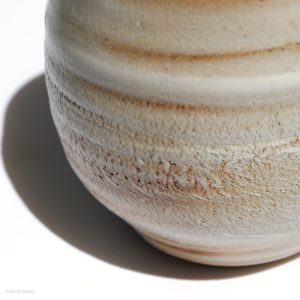
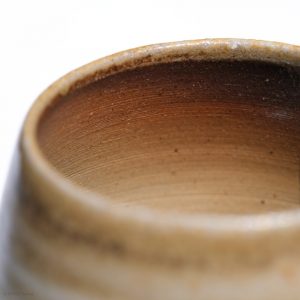
Ishida Kazuya’s spiral cups, made in the Rahō (螺法, “spiral”) style, are formed from local Bizen clay. Finished on the potter’s wheel with slip, they develop dynamic colour effects that evoke spirals and waves.
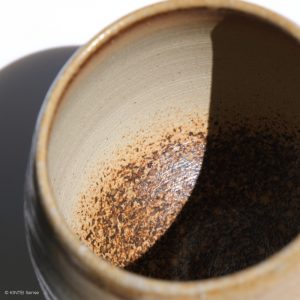
The wood firing also affects the colour of the cups, bringing out the contrast between earthy reddish and white tones particularly well. Natural ash glaze from the days-long high-temperature firing with red pine wood produces the characteristic goma effects typical of Bizen ware, both inside and out: fine glaze droplets resembling sesame seeds.
Capacity approx. 240 ml
Spirals and Waves: A Portrait of Nature in the Bizen Style
Ishida Kazuya comes from a family of potters in Bizen. Bizen is one of Japan’s most important ceramic regions and is renowned for its unglazed, high-fired pottery.
For four years, Ishida Kazuya studied under Isezaki Jun, Bizen’s current Living National Treasure. His experience in the United Kingdom, where he worked with slip and slipware techniques, has also had a strong influence on his work.
Ishida Kazuya developed a distinctive interpretation of the Bizen style, which he calls Rahō (螺法). The name is derived from spiral-shaped shells.
Indeed, his creations are deeply inspired by nature. Ishida-san is fascinated by the dynamic forms and movements found in ancient rocks and spiralling seashells, and he seeks to capture these patterns in his work. Firing in a traditional noborigama or anagama kiln adds further layers of complexity to each piece through the effects of flame and the natural deposition of wood ash.
Related products
-

TANIMOTO Takashi Iga Hanaire Vase
2.900,00 € Add to cartincl. 19% VAT
plus shipping
Delivery Time: Approx. 4–5 business days.

You may also like…
-
ISHIDA Kazuya Rahō Spiral Jar
199,00 € Add to cartincl. 19% VAT
plus shipping
Delivery Time: Approx. 4–5 business days.