

SETO CERAMICS
1,000 YEARS OF HISTORY IN TRANSFORMATION

To understand Seto ceramics, a visit to the Seto-Gura Museum is essential. The museum offers a clear sense of just how important the ceramic industry has been—and continues to be—for the city of Seto in Aichi Prefecture, near Nagoya.
Together with Mino, a neighbouring ceramic centre only a few kilometres away, Seto accounts for more than half of Japan’s ceramic production [1]. Seto ware became so widespread that the term setomono (“Seto objects”) came to be used as a general synonym for glazed ceramics.
The remarkable diversity of styles in Seto reflects a rich, continuous history spanning more than 1,000 years.
How and why was Seto able to establish itself as an innovative and creative centre of ceramics over the centuries?
- Perfect conditions for ceramic production
The local terroir
One of the key factors behind the success of Seto ceramics is undoubtedly the unique terroir of the surrounding area, which offers a rich abundance of natural resources.
Particularly noteworthy are the different types of clay, such as kibushi and gairome clay, which are characterised by a high content of kaolin and quartz particles. Due to their very low iron content, they allow for the production of exceptionally white ceramics and porcelain. The high fire resistance and plasticity of the local clay also enable a wide range of stylistic expressions, as well as further industrial ceramic applications.
In earlier times, easy access to abundant firewood was also a major advantage. Today, however, wood-fired kilns such as anagama or noborigama are no longer permitted within the city, meaning that most ceramic artists now rely on gas or electric kilns instead.

Seto infrastructure
The development of modern transport systems, such as the railway in the 19th century, was another decisive factor in enabling increased production. The local industry became highly organised, consisting of numerous small workshops that specialised in specific styles or products and worked closely with suppliers of clay, machinery, firewood, and other materials.
The Seto-Gura Museum offers valuable insight into these well-coordinated and fascinating processes, including an impressive reconstruction of the Owari-Seto railway station.

Kamagaki no Komichi, Seto
Fences made of ceramic vessels and capsules line the streets of the city
-
Customer orientation and innovation
Customer orientation and innovation
Within Seto’s more than 1,000-year history, two key moments stand out in particular:

Sanage Vessel - Heian Period (794–1185)
The Metropolitan Museum of Art
The Harry G. C. Packard Collection of Asian Art, Gift of Harry G. C. Packard, and Purchase, Fletcher, Rogers, Harris Brisbane Dick, and Louis V. Bell Funds, Joseph Pulitzer Bequest, and The Annenberg Fund Inc. Gift, 1975
1975.268.426

Ko-Seto ash glase vase (Kamakura-Period 13th C)
Seto-Gura Museum, Seto
a. Development of glazed ceramics
Origins in Sanage
Seto was the only ceramic centre among the Six Ancient Kilns (Bizen, Echizen, Tamba, Tokoname, Shigaraki, and Seto) to produce glazed ceramics—pottery fired with an applied glaze. The other kilns continued to fire their wares in wood-fired kilns without glaze, relying instead on the accidental effects of ash deposits during firing.
Since the 7th century, when Chinese glazed ceramics were imported as luxury goods, Seto pursued technical innovation in an effort to imitate these wares and also produce glazed ceramics locally, in order to meet domestic demand.
The Sanage region, southwest of Seto, had already recognised the potential of natural ash glazes formed accidentally in wood firing. Through developments in firing techniques and glaze compositions, it succeeded in establishing a more controlled production of applied and dipped glazes.
From the mid-11th century onwards, Seto built on these advancements and went on to become the only major centre for glazed ceramics in Japan until the 15th century.
Ko-Seto Ceramics (古瀬戸)
Under the term Ko-Seto (“Old Seto”), new yellow and pale green ash glazes emerged. At the same time, new decorative styles inspired by China became widespread, such as carved, brushed, or stamped patterns, which were particularly well expressed on the light, almost white clay body.
Later, iron-oxide–based glazes followed, enabling the production of deep brown or almost black, glossy tea wares such as tenmoku bowls or chaire (tea caddies). Thanks to further innovations—especially in firing techniques—additional glazes were developed, including the clear Ofuke (御深井) glaze.
Although Seto ceramics took Chinese Yue and Song dynasty wares as their models, they were never mere imitations. The material qualities of local resources, the lustre of the glazes, and the Japanese decorative sensibility soon gave these works their own distinct character and identity.

Temmoku bowl - Edo Period (1615–1868)
The Metropolitan Museum of Art
Edward C. Moore Collection, Bequest of Edward C. Moore, 1891
91.1.222

Chaire tea caddie - Edo Period (1615–1868)
The Metropolitan Museum of Art
Edward C. Moore Collection, Bequest of Edward C. Moore, 1891
91.1.336a,b
Yamachawan and Mino glazes
Even though locally produced glazed ceramics were more widely available than imported Chinese wares, they were still largely reserved for the elite and religious institutions. As a result, parallel to this, the production of yamachawan (“mountain bowls”) developed in Seto during the 11th and 12th centuries. These unglazed vessels, made in a somewhat rougher manner, were accessible to a much broader audience.
The close relationship with the neighbouring Mino region in Gifu Prefecture—where Kimura Hajime has his workshop—also allowed Mino’s innovative new tea-ceremony glazes such as ki-Seto, Seto-guro, and Oribe to take root in Seto.
In fact, the Mino area, which includes towns such as Toki, Kani, and Tajimi, had become a more important production centre by the late 16th century, supported by the daimyō Oda Nobunaga (1534–1582). However, with the beginning of the Edo period (1603–1868) and the Tokugawa Owari administration, Seto was once again brought to the forefront.

Yamachawan (11th-12th century)
Seto-Gura Museum, Seto City

b. Sometsuke Porcelain (染付)
Following the success of Arita in Kyushu with porcelain in the 18th century, legend has it that Kato Tamikichi (1772–1824) brought the art of painted porcelain from Kyushu to Seto.
At the beginning of the 19th century, Seto developed into a centre of sometsuke (blue-and-white porcelain), also thanks to the abundant availability of high-quality kaolin-rich clay required for porcelain production.
Sometsuke, meaning roughly “to dye,” refers to blue-and-white decorated porcelain. The characteristic soft blue is achieved using gosu, an impure form of cobalt. As a result, these works often resemble ink painting in their appearance.
Alongside sometsuke, demand for Western-style porcelain also increased. Porcelain thus became a second—and later even larger—pillar of production under the term shinseiyaki (新製焼), meaning “new production,” alongside the original stoneware and earthenware tradition known as hongyōyaki (本業焼), meaning “original craft”.

Sometsuke bowl,
Seto Guro Museum, Seto

Sometsuke bowl,
Hongyō Museum, Seto
-
Design through changing times
Design through changing times

Umanome Ishizara - Horse Eye plate,
Hongyō Museum, Seto
Trendy designs
While porcelain increasingly became an important part of local production, Seto continued to adapt its hongyō stoneware and earthenware traditions, developing a wide variety of styles. Over time, designs evolved in response to changing customer tastes.
Popular folk motifs such as the well-known uma no me (“horse eye”) remained widely appreciated, while geometric patterns such as the mugiwara (“wheat straw”) design, often rendered in contrasting colours, emerged as characteristic decoration for everyday tableware—a pattern that is still regarded as emblematic of Seto ceramics today.
Tiles and industrial ceramics
In addition to tableware, an industrial ceramic sector developed thanks to the excellent raw materials and existing infrastructure. The region became well known for the production of tiles and sanitary ceramics. Even today, the artistic and creative tile industry remains highly important for both Seto and Mino.


Export ceramics
It was above all exports that gave the Seto region a new impetus in the 20th century. During the Meiji period (1868–1912) and through participation in world expositions, Japan positioned itself internationally as a producer of porcelain. Seto subsequently responded to both domestic and, in particular, international demand, specialising in the production of Western-style porcelain.
Seto also established itself as an exporter of Western porcelain figurines and decorative items. In fact, international demand for such goods was strong, especially as Germany—a major producer—had to suspend production during the First World War.
Seto ceramics today
Over its more than 1,000-year history, the Seto region has continually adapted to the changing conditions of each era, and above all, to customer demand—both domestic and international. With drive, innovation, and a natural abundance of high-quality resources, Seto has secured its place within the ever-evolving world of ceramics.
Although production has been steadily declining in recent times due to changing lifestyles and the resulting lower demand for handmade ceramics, Seto is still home not only to larger workshops but also to many independent artists, such as Ito Chiho.
Drawing on a deep well of knowledge, they contribute to the continuation of this long tradition through their own new ideas and creative approaches.
More about Seto
For those who wish to discover more about Seto, or who are visiting Seto in person, there are several museums worth exploring, such as the Seto-Gura Museum and the Seto Blue and White Ceramics Center. Just outside the centre, the Kamagaki no Komichi path, together with the Hongyō Museum, also offers a glimpse into earlier times.
Bibliography and links:
[1] https://www.gpc-gifu.or.jp/chousa/jiba/2021/ceramics.pdf
https://ceramic-japan.co.jp/setomono/
https://en.sixancientkilns.jp/seto/
Seto and Mino Ceramics, Japanese Collections in the Freer Gallery of Art, Louise Allison Cort (https://ia804709.us.archive.org/28/items/setominoceramics00cort/setominoceramics00cort.pdf)

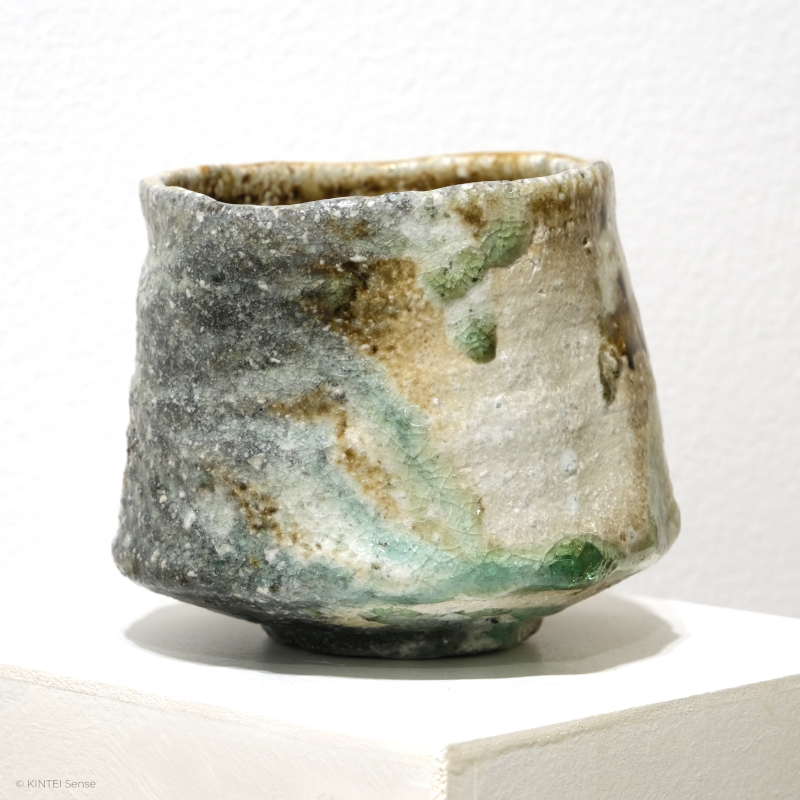
Shigaraki Ceramics
Kintei Sense
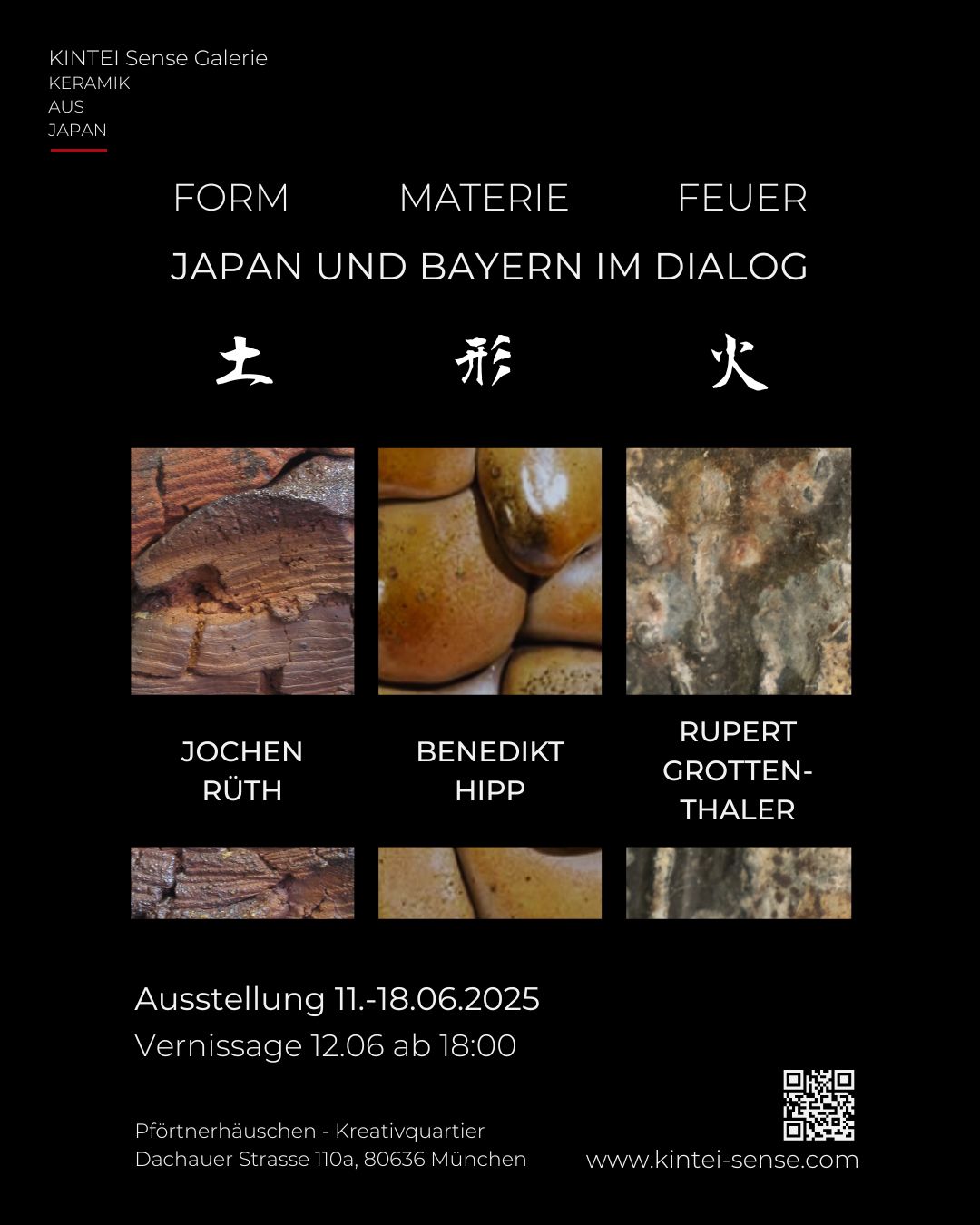
Exhibition Japan and Bavaria in Dialogue 2025
Kintei Sense
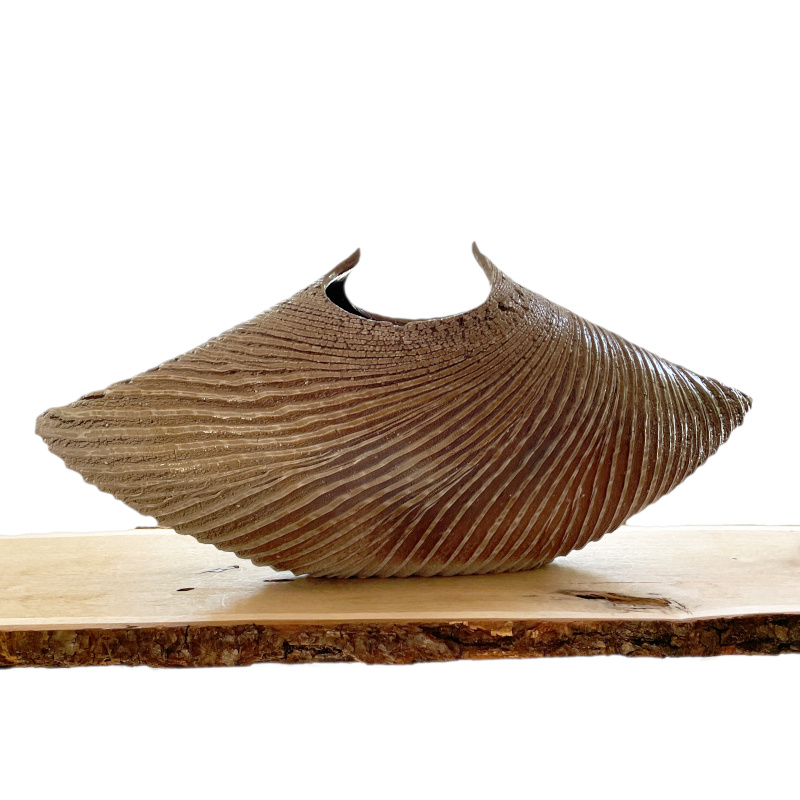
Exhibition Nature in Motion 2025
Kintei Sense

Tea Ceremony and Japanese Ceramics
Kintei Sense

The Taste of Clay
Kintei Sense

Bizen
Kintei Sense

Say a little prayer… to the kiln Gods
Kintei Sense