From Matcha to Raku:
How the Tea Ceremony Shaped Japanese Ceramics

The tea ceremony embodies the essence of Japanese culture and has profoundly influenced aesthetic philosophy as well as the art of ceramics. To many visitors, it may appear as an elaborate ritual—enjoying whisked matcha tea alongside a traditional Japanese sweet while seated on tatami mats, contemplating the serene view beyond the teahouse. Yet the tea ceremony is far more than a casual tradition. It is a multifaceted ritual encompassing social, philosophical, aesthetic, and meditative dimensions—one that gave rise to various tea schools and has played a central role in shaping Japan’s cultural identity, values, and artistic traditions.
Before examining its influence on Japanese ceramics in greater detail, it is essential to first understand the tea ceremony itself.
- Ein Blick in die Welt der japanischen Teezeremonie

Fundamental Values
The philosophy of the tea ceremony is deeply rooted in the Zen Buddhist tradition and is based on four central values that continue to influence Japanese society today:
- Harmony (Wa)
- Respect (Kei)
- Purity (Sei)
- Tranquility (Jaku)
Rituals and Rules
Over the course of history, various tea schools have emerged, each with its own unique rituals and rules. These guidelines dictate the structure of the ceremony, from seasonal planning to conversational etiquette and social interactions.
For example, participants must understand their role and contribute to the tea conversation at the appropriate moments. Guests admire the tea utensils in a prescribed manner to express their appreciation for the craftsmanship. The entrance to a traditional teahouse is deliberately kept low, so that all guests bow upon entering—a symbol of humility and equality. Even samurai were required to leave their swords outside, emphasizing that rank and status hold no significance within the teahouse.
Although the fundamental principles remain, over time different interpretations of the ceremony have developed, reflecting the evolving preferences and sensibilities of the tea masters.

-
The History of the Tea Ceremony
The History of the Tea Ceremony
The history of tea in Japan dates back to the 8th century, when it was first imported from China. Buddhist monks brought not only the tea itself but also teachings on its preparation and culture, including Lu Yu’s The Classic of Tea (Chajing), one of the earliest comprehensive studies of tea culture from the Tang dynasty. Powdered tea (matcha) and its method of consumption were introduced to Japan in the 12th century by the monk Eisai.
Three key figures had a particularly profound influence on the Japanese tea ceremony, especially Wabicha, which emphasized a simple, quiet, and almost ascetic tea gathering. These tea masters also played a significant role in fostering the appreciation of Japanese ceramics.


Influential Tea Masters
- Murata Jukō (1423–1502) – Considered the father of the tea ceremony, he emphasized simplicity as well as the use and appreciation of Japanese ceramics, which until then had been regarded as inferior to Chinese pottery.
- Takeno Jōō (1502–1555) – Further refined the ceremony and helped spread its influence throughout Japan.
- Sen no Rikyū (1522–1591) – The most famous tea master, who served the warlords Oda Nobunaga and Toyotomi Hideyoshi. Rikyū’s strict and humble approach solidified the wabi-sabi aesthetic within the tea ceremony. His teachings led to the establishment of the three main tea schools: Urasenke, Omotesenke, and Mushakōji-senke.

The Met - Portrait of Sen no Rikyū with his Death Poem
Mary and Cheney Cowles Collection, Gift of Mary and Cheney Cowles, 2020
Political and Social Aspects
Originally used by monks for meditation, tea quickly gained popularity among the aristocracy and subsequently spread to the warrior and merchant classes. Tea gatherings thus became more than meditative rituals; they also served social and political purposes. Various styles emerged, ranging from Wabicha to more elaborate gatherings featuring games and tea-related competitions. Toyotomi Hideyoshi, who appreciated the simpler tea ceremonies of Sen no Rikyū, also used large tea events as instruments of political strategy. His golden portable teahouse and the famous Kitano Tea Gathering of 1587, which invited tea masters from across Japan to a ten-day festival, underscore the role of tea in shaping political, social, and cultural life.

-
Shaping Aesthetic Philosophy: Wabi-Sabi
Shaping Aesthetic Philosophy: Wabi-Sabi

The Essence of Wabi-Sabi
The term wabi (侘び) refers to rustic simplicity and understated elegance, while sabi (寂) relates to the patina of age, an antique character, or dignified simplicity. In contrast to Western ideals of beauty, which often emphasize perfection and symmetry, wabi-sabi finds beauty in the imperfect, the simple, and even the seemingly unattractive. The patina of aged wood or the irregularities of handcrafted ceramics reveal true beauty—provided they are approached with an open, appreciative mindset.
The tea ceremony embodies wabi-sabi through its simple teahouses, minimalist decorations, and tranquil atmosphere. This aesthetic philosophy played a crucial role in the development of Japanese tea ceramics, granting them a renewed appreciation.

-
Influence on Japanese Ceramics
Influence on Japanese Ceramics


The Momoyama Era: A Golden Age of Styles
In the late 16th century, during the Momoyama period (1573-1615), a surge in demand for tea utensils led to an explosion of ceramic creativity. Significant ceramic styles from this era include:
- Raku –Attributed to Chōjirō, a tile maker, at the request of Sen no Rikyū, Raku tea bowls best embody the wabicha style and the wabi-sabi aesthetic.
- Bizen, Shigaraki, and Iga – Unglazed, earthy ceramics that reflect the austere, rustic character of wabi-sabi.
- Karatsu – Influenced by Korean ceramics, characterized by a simple yet elegant aesthetic.
- Oribe – Developed by the warrior and tea master Furuta Oribe (1544–1615), renowned for its vibrant green glazes, asymmetrical forms, and imaginative patterns.
- Shino – Valued for its rich white glaze with subtle reddish accents and organic, irregular forms.
These styles reflect an appreciation for imperfection and a profound connection to nature.


The Lasting Legacy of the Tea Ceremony
The Japanese tea ceremony remains a cornerstone of Japanese culture, embodying harmony, respect, purity, and tranquility. Its influence extends beyond the rituals of tea, shaping aesthetic philosophies such as wabi-sabi and guiding the evolution of Japanese ceramics.
Through its development, the tea ceremony has reinforced the value of simplicity, craftsmanship, and the appreciation of everyday beauty. Whether in a quiet teahouse or through the delicate forms of a handcrafted tea bowl, its legacy continues to inspire artists, designers, and practitioners around the world.
Bibliography and links:
The Book of Tea - Okakura Kakuzo
Wabi-Sabi for Artists, Designers, Poets & Philosophers - Leonard Koren
Momoyama, Japanese Art in the Age of Grandeur - The Metropolitan Museum of Art
Turning point : Oribe and the arts of sixteenth-century Japan - The Metropolitan Museum of Art, New York

Katsura Villa Tea House, Kyoto
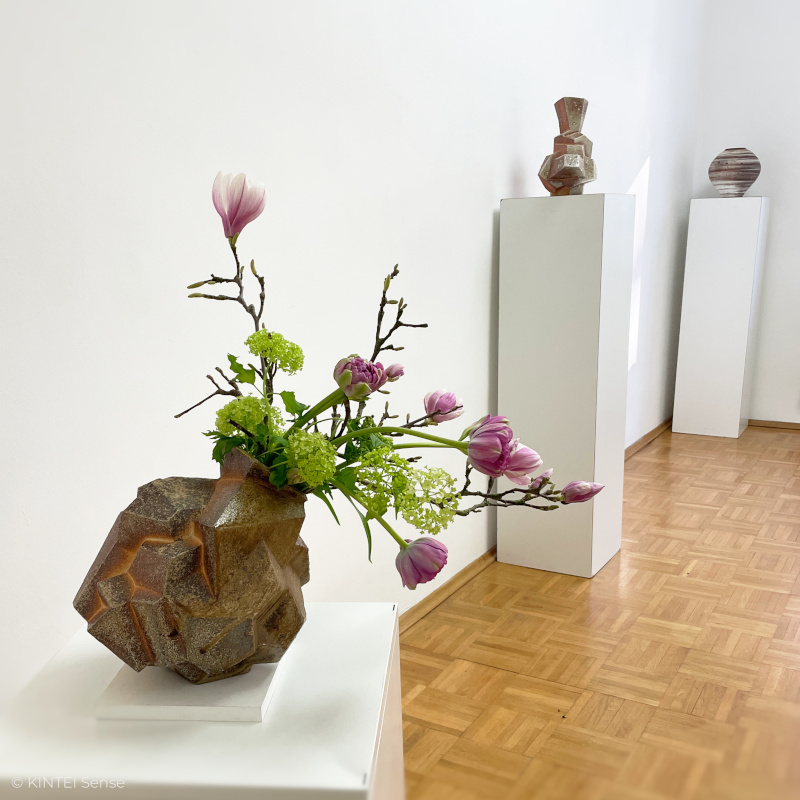
Exhibition Dō – The Way of Clay 2026
Kintei Sense
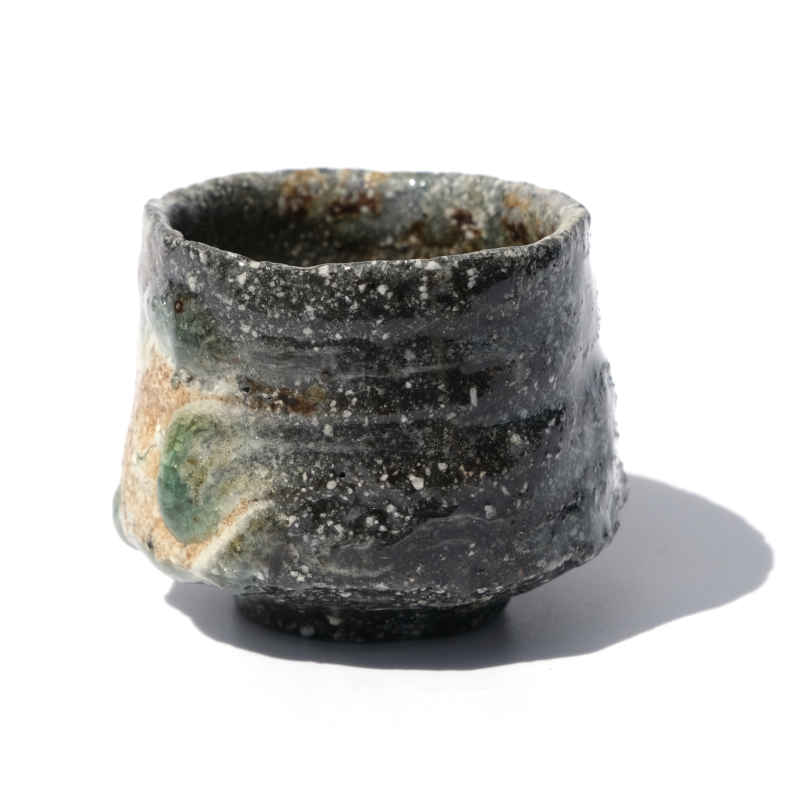
Sake Ceramics
Kintei Sense
Tea Ceremony and Japanese Ceramics
Kintei Sense
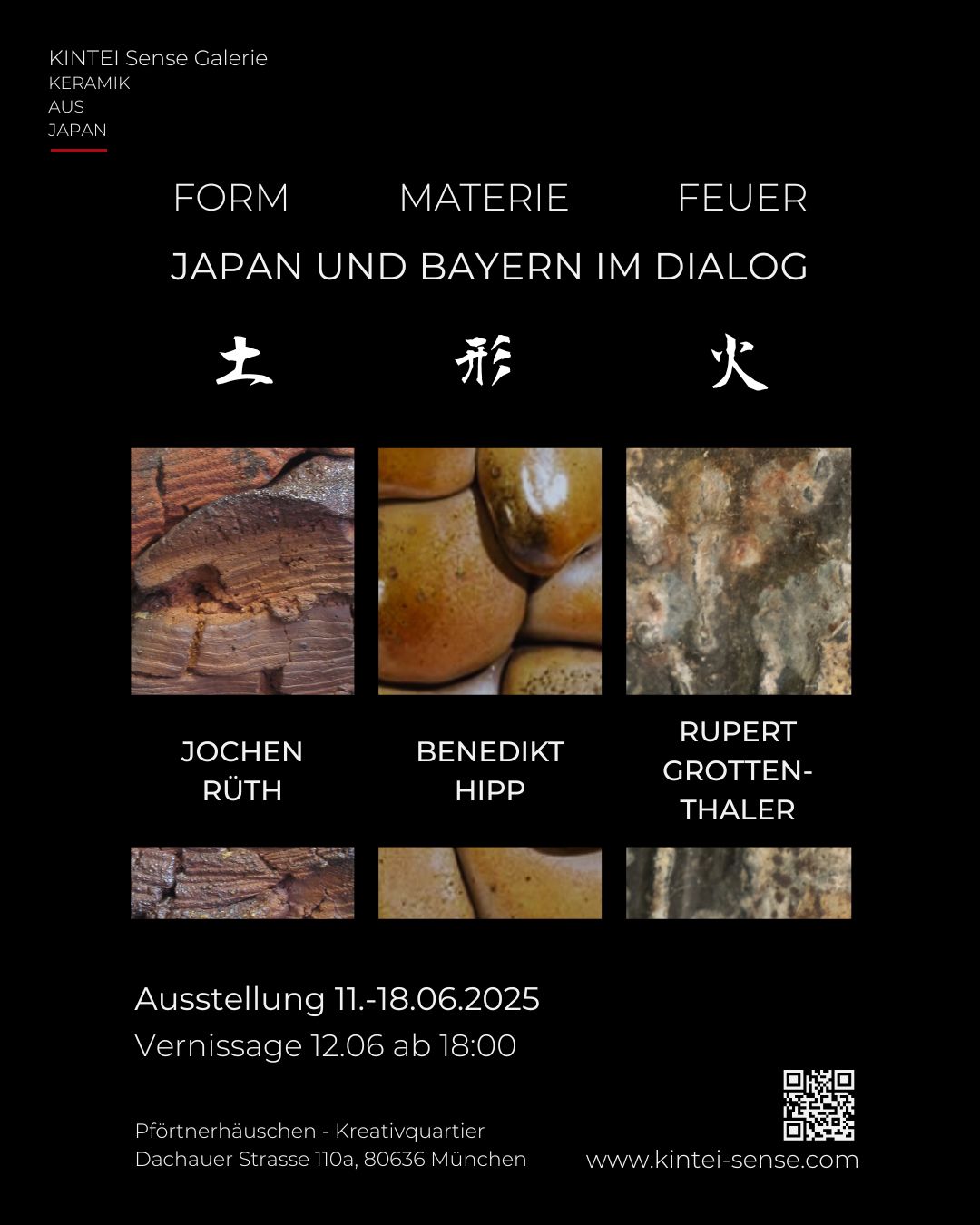
Exhibition Japan and Bavaria in Dialogue 2025
Kintei Sense
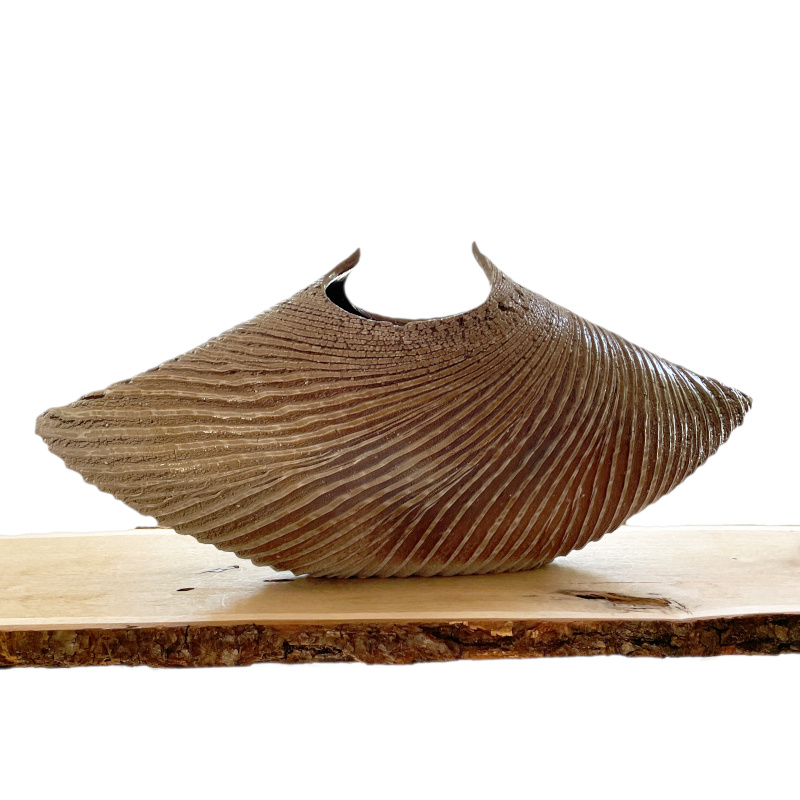
Exhibition Nature in Motion 2025
Kintei Sense
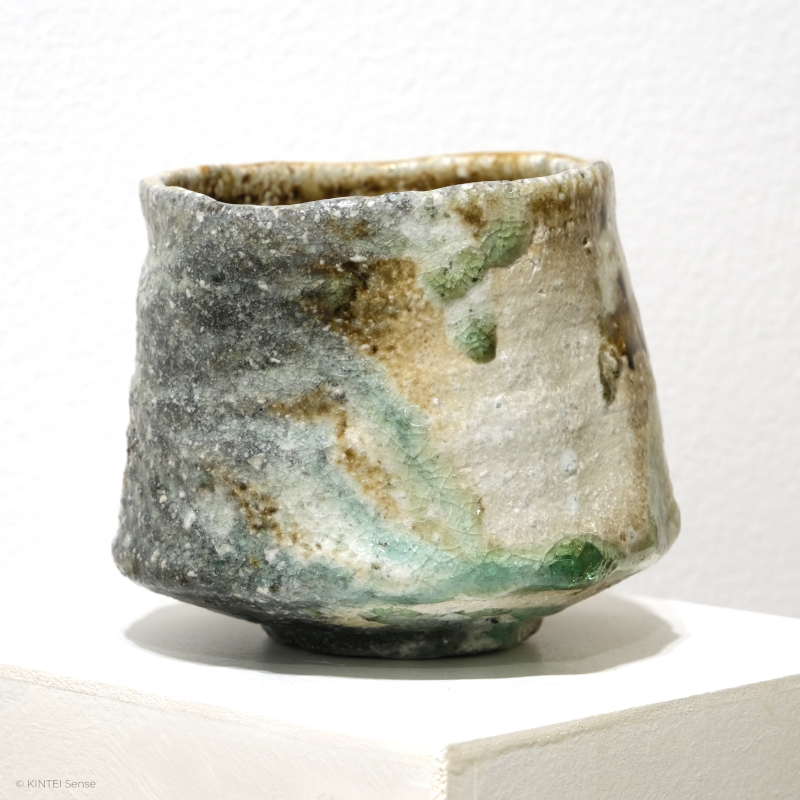
Shigaraki Ceramics
Kintei Sense

Karatsu Ceramics
Kintei Sense