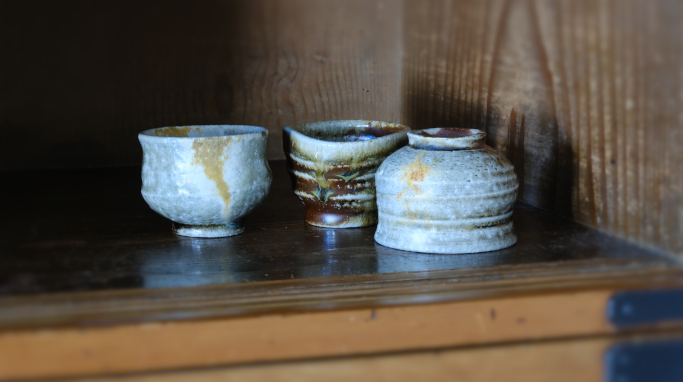
JAPANESE CERAMICS
BEAUTY IN IMPERFECTION
SIMPLE. TIMELESS. UNIQUE.
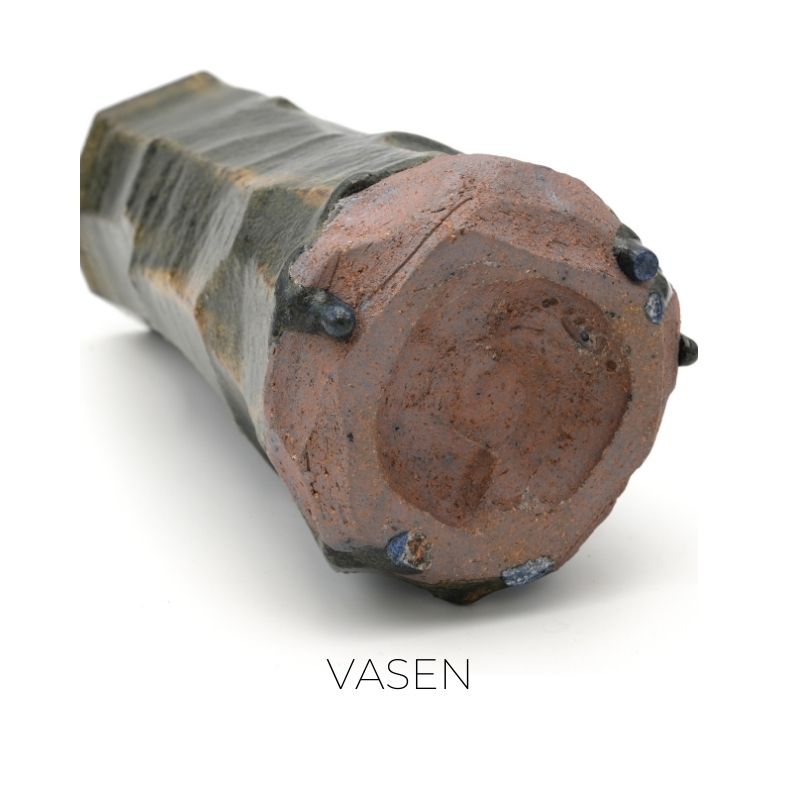
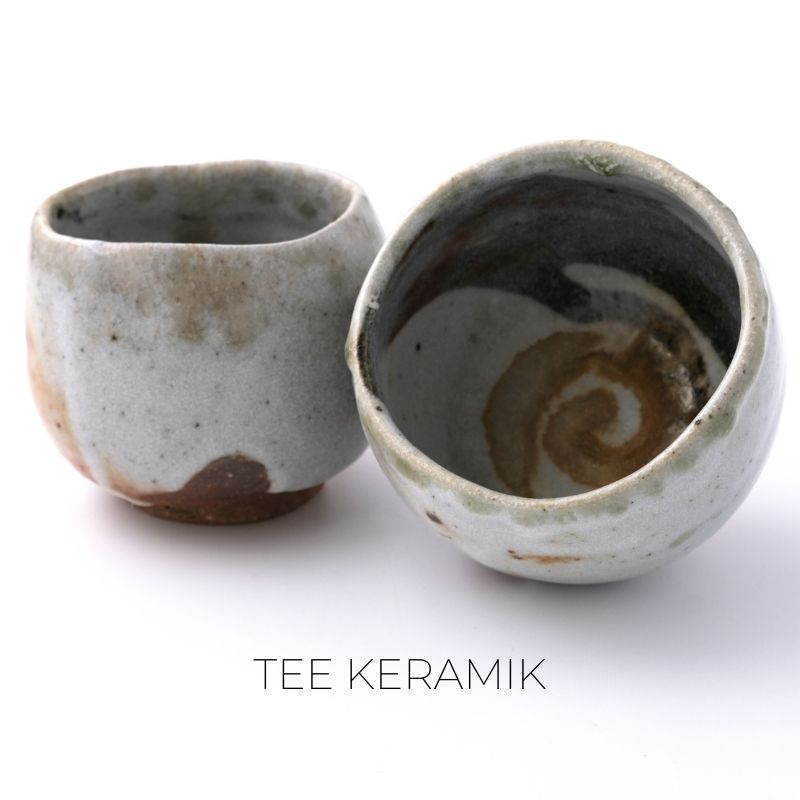
JAPANESE CERAMIC ART
With a history spanning more than 10,000 years, Japanese ceramics offer an unparalleled diversity of forms, techniques, and traditions. At KINTEI Sense Online Gallery, you will discover handcrafted one-of-a-kind pieces that embody the essence of Japanese craftsmanship and artistic savoir-faire.
Authentic tea bowls, sake vessels and teapots, vases, and sculptures—each creation, shaped by the philosophy of wabi-sabi, reflects the terroir and artisanal traditions of its region, revealing the quiet beauty of imperfection.
NEWS AND NEW COLLECTIONS
MANPU GAMA
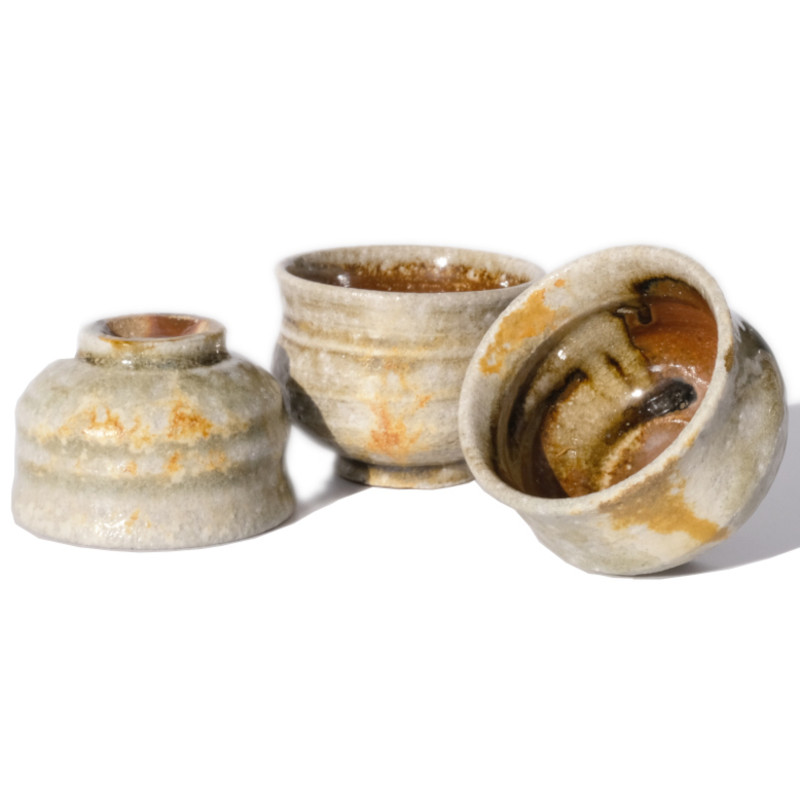
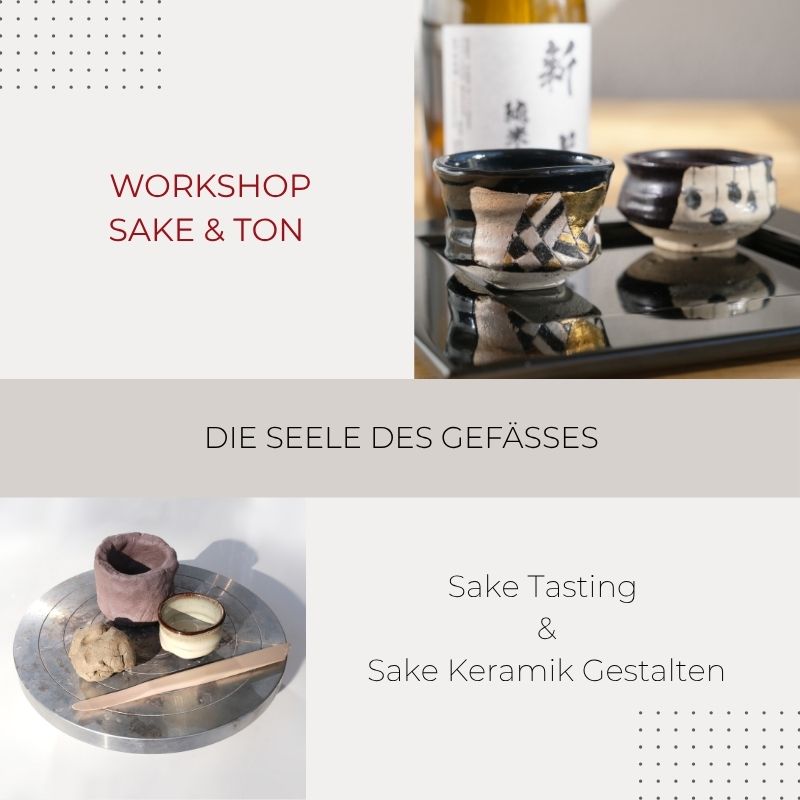
SAKE & CLAY
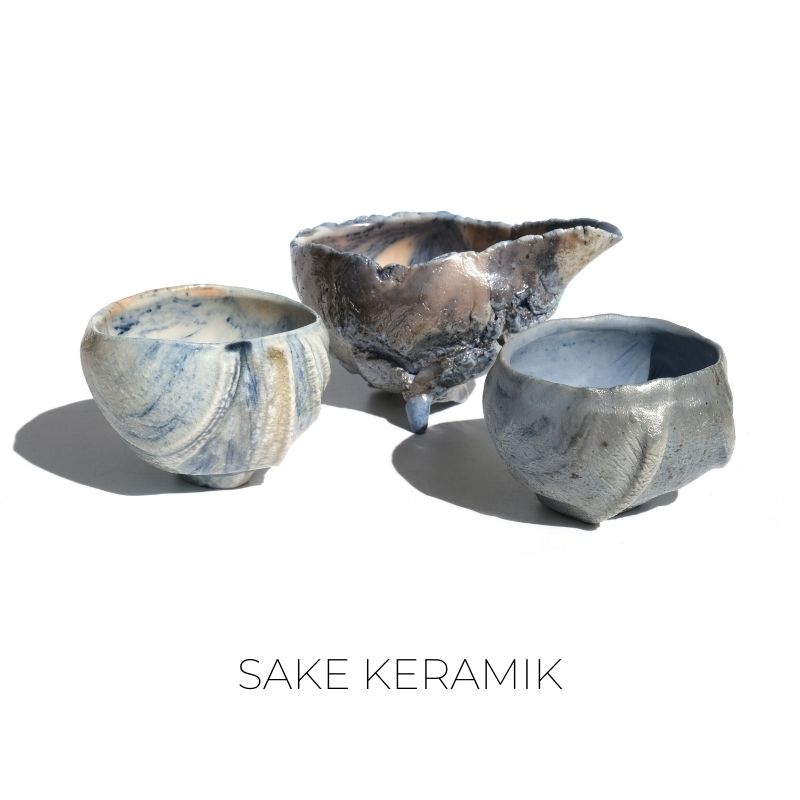
The way a vessel influences our perception of sake is something best discovered through experience. In our workshop, you can explore a selection of Japanese sake vessels, hand-form your own sake cup and, during a tasting with Jeanne Therre, discover the interplay between ceramics, form and flavour.
Two Workshops in October
-
8 October 2026, 6:30 to 9:30 pm
- 10 October 2026, 6:30 to 9:30 pm
📍 Nautilus in the WerkBox3, Dachauer Strasse 110c, 80636 Munich
QUINTESSENCE OF CRAFTS
The Contemporary Japanese Crafts GalleryThe KINTEI Sense Gallery was founded in Munich out of a deep fascination with craftsmanship and a close connection to Japan. Join us on a journey from Karatsu and Bizen to Morioka, and discover with us the remarkable artists whose work continues to inspire and captivate us.
THE GALLERY SHOP
CERAMICS FROM JAPAN AND AROUND THE WORLD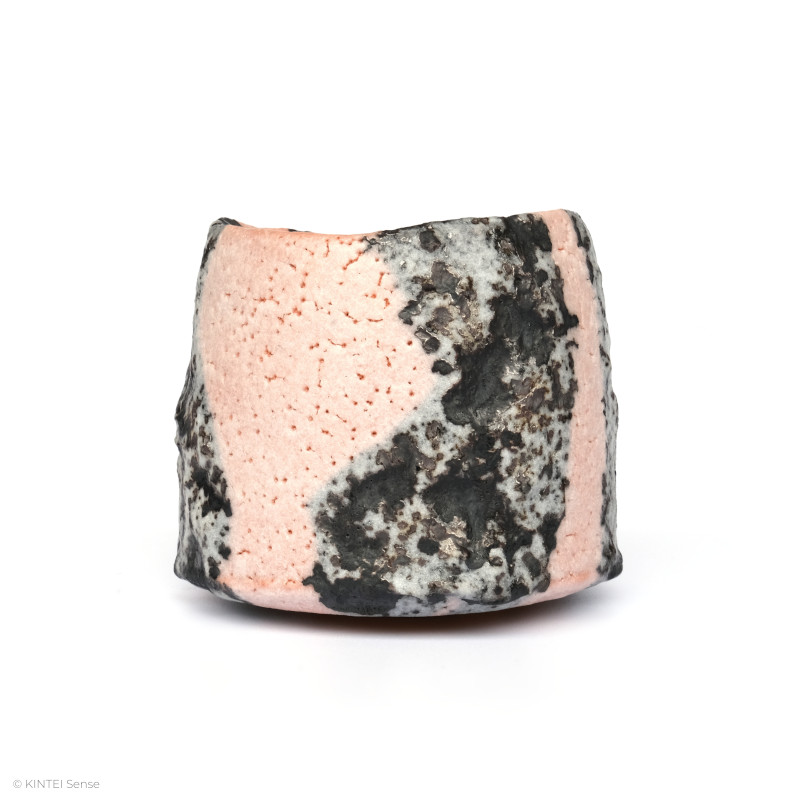
HAYASHI YUKA 林 友加
Shino
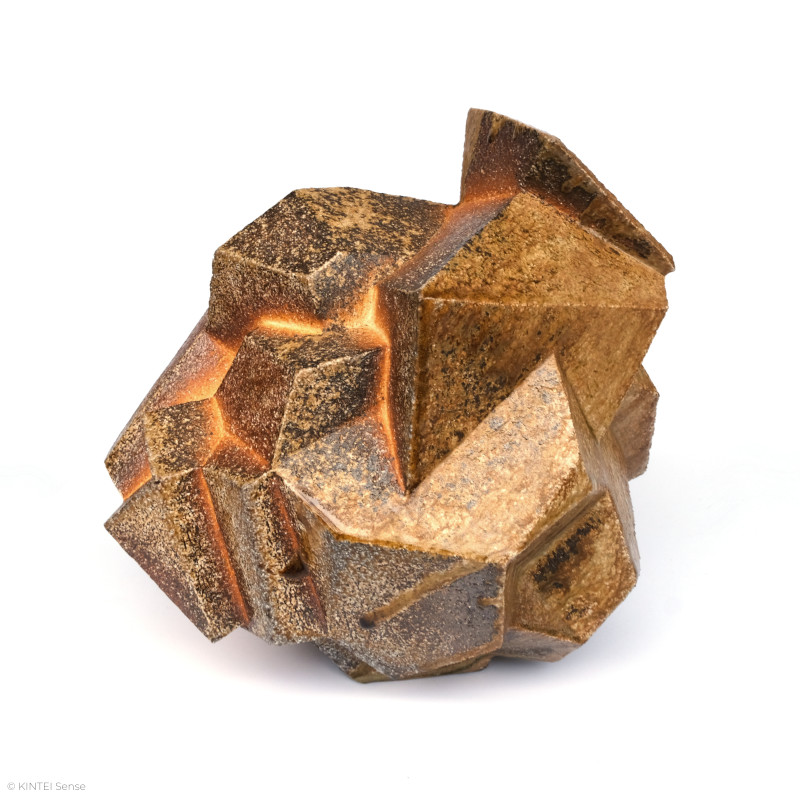
TAO AKIRA 田尾 晃
Shigaraki
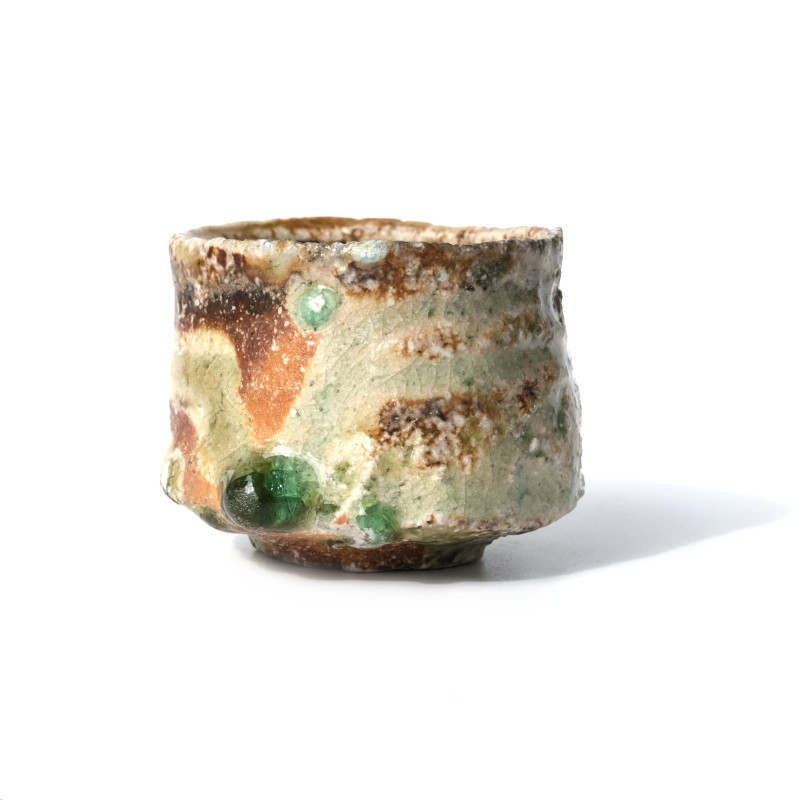
SAWA KATSUNORI 澤 克典
Shigaraki
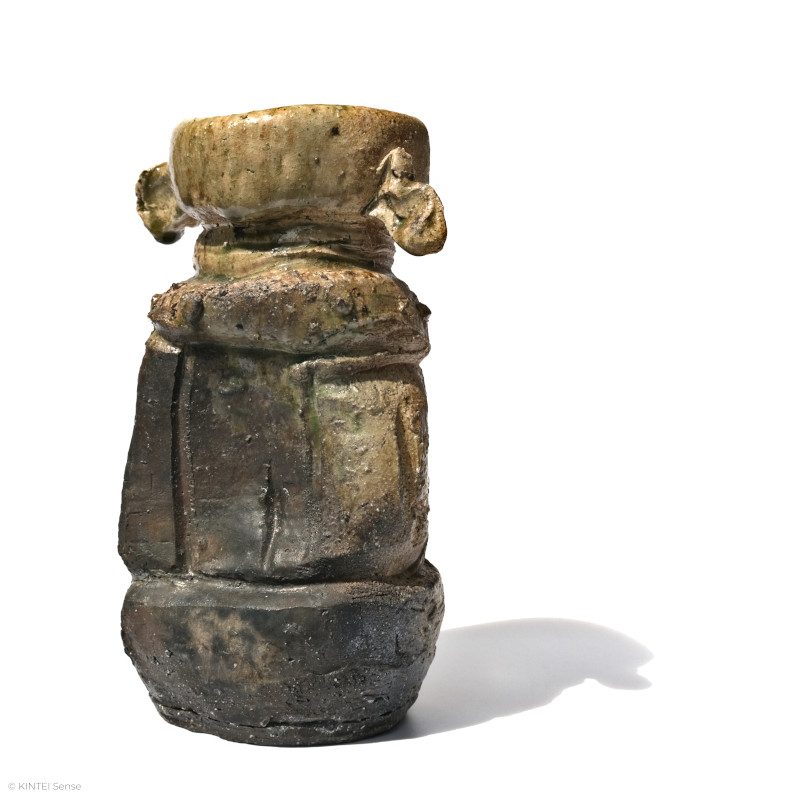
TANIMOTO TAKASHI 谷本 貴
Mita Gama, Iga

ITO CHIHO 伊藤 千穂
Seto, Kuro-Oribe
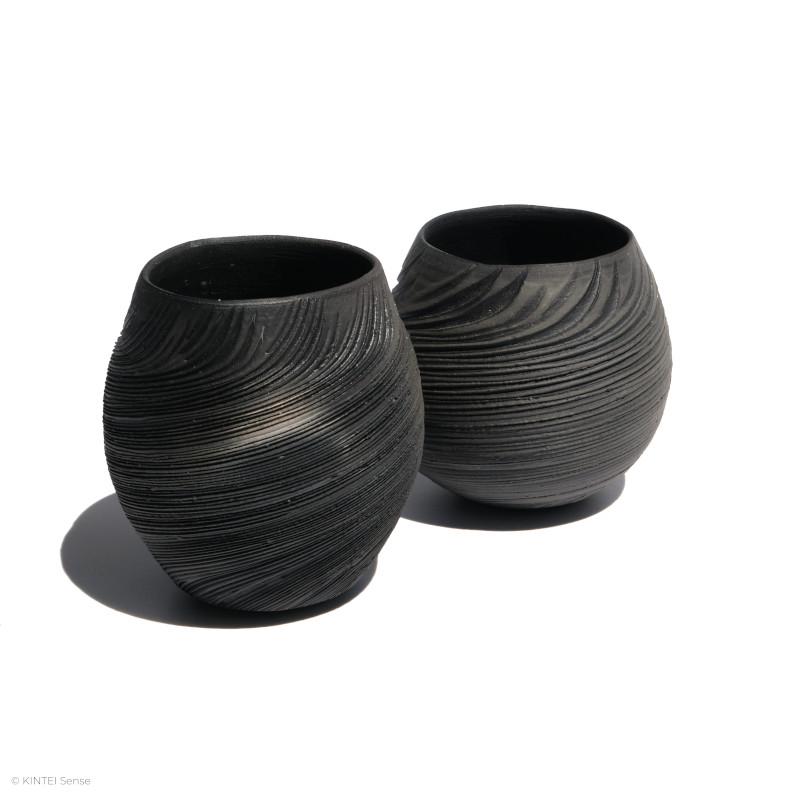
ISHIDA KAZUYA 石田 和也
Bizen
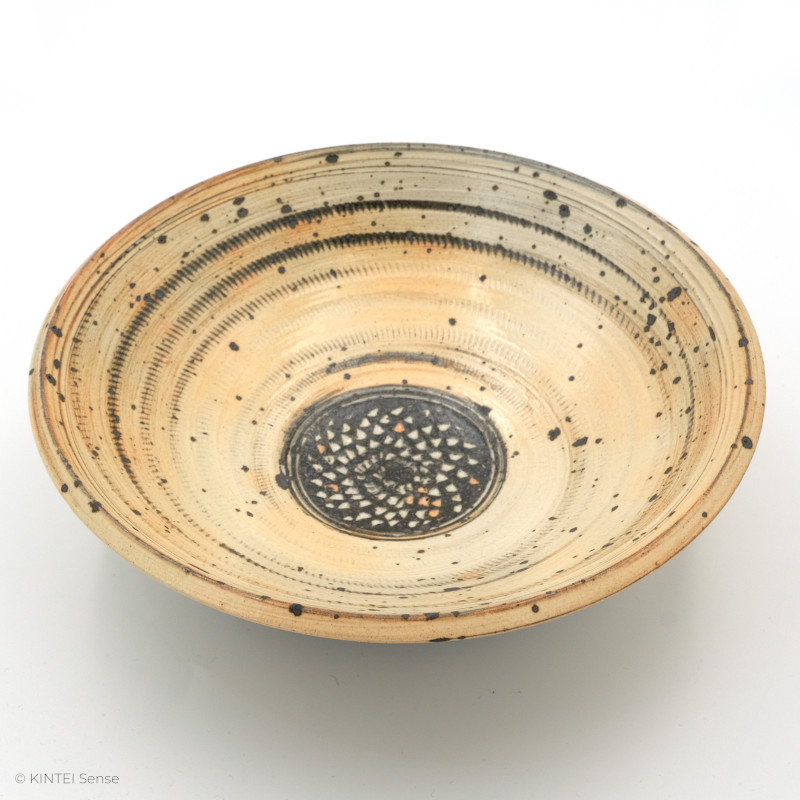
RYUTA GAMA 隆太 窯
Karatsu
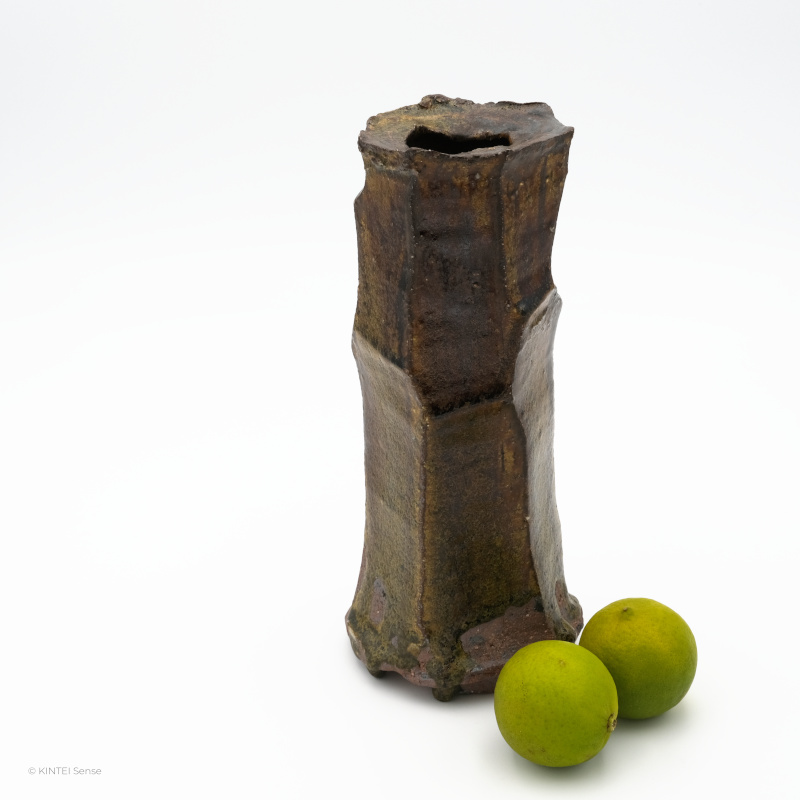
KIMURA HAJIME 木村 元
Kanejuu Gama, Mino
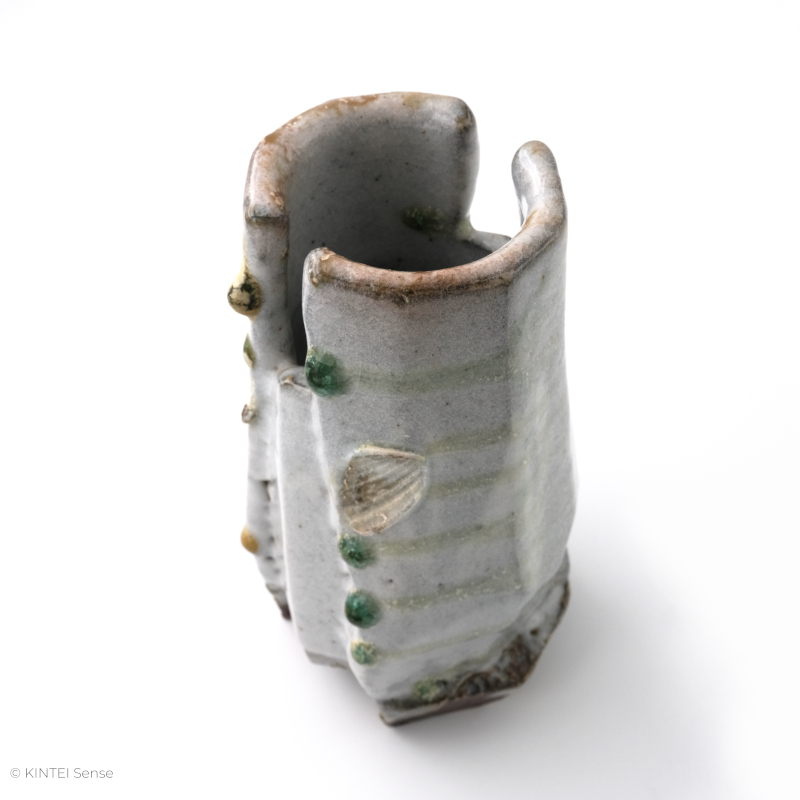
BABA TAKASHI 馬場 隆志
Bizen

RUPERT GROTTENTHALER
Sasukenei wood-firing

TOMOKIYO Kunio 友清 国夫
Isegahama, Hokoshimayaki
YUKINOURA YUICHI 雪ノ浦 唯一
Kisaragi Gama, Kaiyū

MARIE JUGE
Raku

SUZUKI TAKASHI 鈴木 隆
Kōbō Daidai, Celadon & Kaiyū
JAPANESE CERAMICS Close Up
ISHIDA Kazuya Rahō Spiral Jar
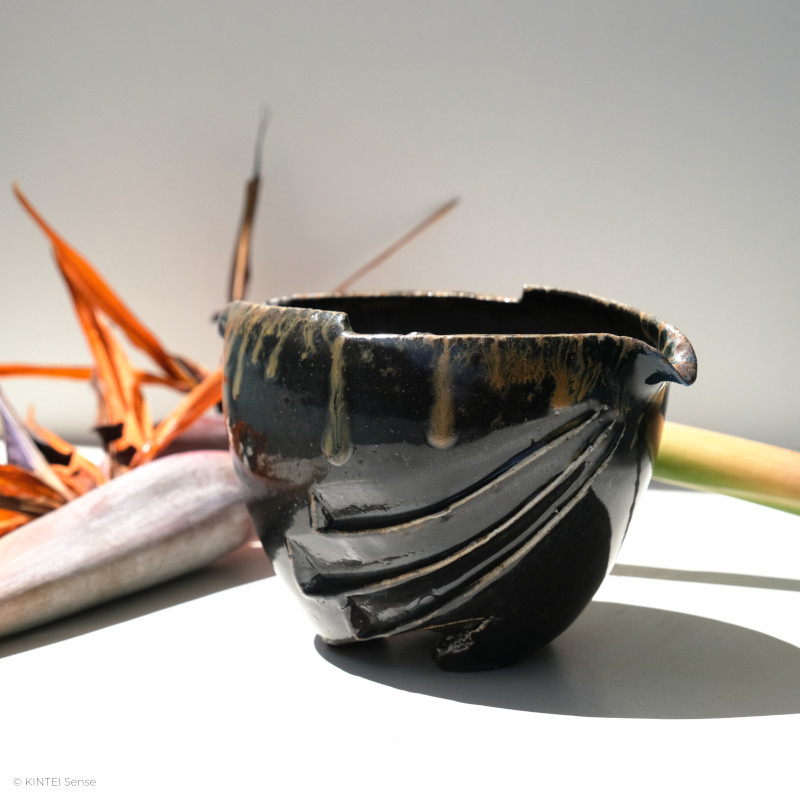
From Bizen, one of Japan’s oldest and most celebrated ceramic traditions, Baba Takashi brings the raw, elemental character of Bizen ceramics into an individual contemporary language. Deep black slip contrasts with delicate traces of natural ash glaze, created during the ten-day wood firing, giving the surface a remarkable sense of depth and vitality.
The unusual form of the Katakuchi, with its two spouts and sculptural incisions, makes it a distinctive piece somewhere between function and free-form sculpture.

Tea Ceremony
AND JAPANESE CERAMICS
SAKE CERAMICS
The Art of Experiencing Sake
JAPANESE CERAMICS STYLES
AN OVERVIEW