

Karatsu Ceramics
Rustic Elegance

Karatsu ware is primarily functional pottery, yet it carries a distinctive rustic elegance—a paradoxical quality that reflects its rich history, diverse influences, and regional terroir. But first, let us go back to the beginning.
- The terroir of Karatsu ceramics
Geographical location
To better understand Karatsu ceramics, it is essential to explore its terroir—the environment from which this pottery emerges. From Tokyo, it is a long journey to Karatsu in Saga Prefecture, on the west coast of Kyushu.
The trip begins smoothly on the Shinkansen to Fukuoka, moving so quickly that there is hardly any time to take in the landscape. From there, the journey continues by local train, slower and sometimes bumpy, either along the coastline or inland via Kurume and Saga, passing through tranquil rice fields.
Just like its ceramics, Karatsu carries a hidden charm that reveals itself only gradually. On the one hand, there is the town centre with its many small galleries and boutiques; on the other, the coastline with a beautiful beach stretching for several kilometres across different districts—and, not to be forgotten, the lush, mountainous inland region.


Types of clay and materials
The variety of landscapes also gives rise to a wide range of different clay types and glaze materials. The relatively iron-rich suname clay from Karatsu is rather coarse and sandy in texture, which lends it a distinctive surface quality and a certain rustic character.
Classic Karatsu tea bowls with high foot rings (kodai) especially highlight this texture through chirimen-jiwa processing—a kind of crepe-like surface effect that brings out both its subtle refinement and its underlying roughness.
In addition, the diversity of local wood and the abundance of rice fields provide a wide range of materials for wood firing and glazes. In Karatsu ceramics, ash glazes made primarily from wood ash, straw ash, and rice husk ash are commonly used.
For firing, many potters still rely on traditional noborigama kilns today, using locally sourced pine wood as fuel.


Origin of the name
In addition to its terroir, Karatsu’s geographical location also shapes both the name and the identity of its ceramics. Situated closest to the Korean Peninsula and mainland China, Karatsu literally means “China port”.
The name Karatsu ware does not, in fact, derive from the place of production, but from the port from which ceramics were historically shipped throughout Japan. At the time, most workshops were not located in the town of Karatsu itself, but in the wider Hizen region—today’s Saga and Nagasaki Prefectures—particularly in the mountainous Kishidake area inland.
-
The history of Karatsu ceramics
The history of Karatsu ceramics
Korean influence
Although the production of Karatsu ceramics can be traced back to the 1580s, the local style was shaped above all by events in the late 16th century. From 1592 to 1598, Toyotomi Hideyoshi (1537–1598) waged war against Korea and China.
As a result of the Imjin Wars, many Korean pottery families were brought to Japan, along with innovations such as the kerokuro—the kick wheel—and the noborigama climbing kiln, both of which quickly spread throughout the country.
Stylistic elements of Buncheong ware from the early Joseon period (1392–1910), which was flourishing at the time, also influenced Karatsu ceramics. These include painted decoration, inlay techniques, slip work, and various glaze applications. In Karatsu, these influences can be seen in styles such as Mishima and Hakeme.

Influence of the tea ceremony
Originally, Karatsu-yaki was primarily produced as everyday tableware. In the 16th century, however, another important factor came into play: the tea ceremony. It became a key political and social instrument—a space for exchange and, in modern terms, a kind of networking platform for the elite.
Tea masters reflected the aesthetic values and prevailing trends of their time through the selection of tea utensils.
The 16th century was strongly shaped by Sen no Rikyū’s (1522–1591) concept of the austere wabi tea aesthetic. Influential tea masters such as Takeno Jōō (1502–1555) and Sen no Rikyū were drawn to the simplicity of Korean Ido bowls, as well as the unadorned beauty of Japanese ceramics such as Bizen and Karatsu.
For the first time, Japanese ceramics embodying a wabi-sabi aesthetic were placed at the centre of the tea ceremony.
In the world of tea bowls and the tea ceremony, a saying emerged that expresses how different ceramic wares were perceived and valued: “#1 Ido, #2 Hagi, #3 Karatsu.” In another variation, the order appears as: “#1 Raku, #2 Hagi, #3 Karatsu.”
This ranking reflects the aesthetic values of the tea world rather than a fixed hierarchy. Within this context, Karatsu ware consistently held a respected position. It was highly regarded and reached its stylistic peak during the Momoyama period. It is estimated that there were over 300 workshops in the Karatsu region at the time.
With the Meiji Restoration (1868–1912), Karatsu ceramics—like many other ceramic regions across Japan—unfortunately went into decline. Many kilns could no longer rely on the protection and patronage of local daimyō, while industrial production increasingly took precedence.
One family, however, managed to continue its practice uninterrupted for over 14 generations: the Nakazato family.

Karatsu Keramik - E-Garatsu Vessel, Momoyama Era (1573–1615)
The Metropolitan Museum of Art
Dr. and Mrs. Roger G. Gerry Collection, Bequest of Dr. and Mrs. Roger G. Gerry, 2000 - 2002.447.21
Renaissance of Karatsu ceramics
The Nakazato family was one of three families appointed as official potters by the local daimyō Terazawa. According to the information displayed at the entrance of the historic anagama kiln in Ochawandori, Karatsu, the Nakazato family, together with the Ōshima family, first built an initial kiln in Karatsu before constructing the 27.5-metre-long anagama kiln in today’s Ochawandori area in 1734.
With the Meiji Restoration (1868–1912) and the loss of feudal patronage, the Ōshima family eventually withdrew from pottery. The Nakazato family, however, continued to operate this kiln into the Taishō period (1912–1926). In the 1970s, Nakazato Muan, the 12th generation, played a major role in reviving local Karatsu styles and was designated a Living National Treasure for Karatsu in 1976.
Today, Nakazato Tarōemon XIV serves as the official representative of the long Nakazato lineage.
In the 1980s, Karatsu ceramics were also designated as a Traditional Craft by the Ministry of Economy, Trade and Industry. Today, around 70 independent ceramic artists are active in Karatsu and the surrounding area. While they work within the local tradition, each brings their own innovations and ideas to the practice.


-
Styles of Karatsu ceramics
Styles of Karatsu ceramics
What is particularly fascinating about Karatsu ceramics is the diversity of its styles. In all cases, they are united by a rustic elegance and the local terroir.
- E-garatsu
E (絵) means “painting” or “drawing.” E-Karatsu is a style of ceramics decorated with iron oxide painting and is likely the most representative expression of Karatsu ware, with its restrained wabi-sabi elegance. Compared to other styles, it allows the local clay to speak more clearly for itself, as it shows through the transparent glaze.
The motifs are inspired by the surrounding natural environment, such as the small characteristic pine trees that line the beach of Karatsu Bay in the Matsubara pine grove in Hamasaki. The expressiveness and eloquence of the brushwork play a decisive role in the value of each piece.

Karatsu ceramics – ōzara (large plate) with pine motif, early 17th century
The Metropolitan Museum of Art
Mary Griggs Burke Collection, Gift of the Mary and Jackson Burke Foundation, 2015
2015.300.266

- Chōsen Karatsu
Chōsen means “Korean” in Japanese and refers to the influence of Korean glaze traditions. This style combines two contrasting glazes: a cream-coloured glaze based on rice husk ash and a dark, iron-rich glaze. These are allowed to flow into one another, either vertically or horizontally, creating subtle transitions.
The quality and refinement of these transitions, as well as the resulting colour nuances, define the character of each individual piece.

- Mishima Karatsu
This technique is not related to the city of Mishima in Shizuoka. It is an inlay or intarsia method inspired by Korean Korai (Goryeo) tea bowls from the Goryeo period (935–1392).
Motifs are impressed into leather-hard clay using stamps before being covered with a white slip (engobe). The excess slip is then carefully scraped away, revealing the pattern against the dark, iron-rich clay body. A transparent glaze is finally applied to seal the surface.
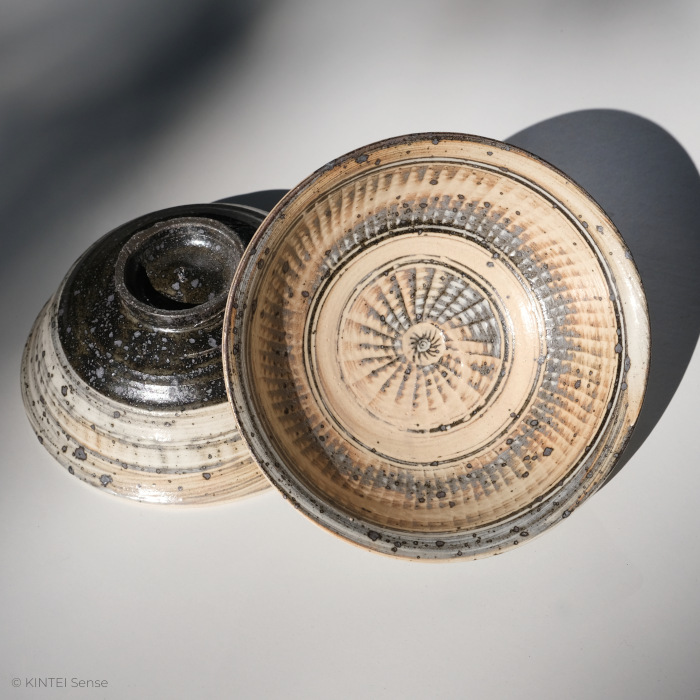
- Hakeme:
The hakeme technique is inspired by Korean Buncheong ware, which gained strong prominence during the 15th and 16th centuries of the Joseon period (1392–1910). In this method, a contrasting slip (engobe) is applied to the leather-hard clay using a coarse brush made from twigs or straw.
The piece is then usually finished with a transparent glaze firing, which seals the surface while preserving the expressive brushwork.
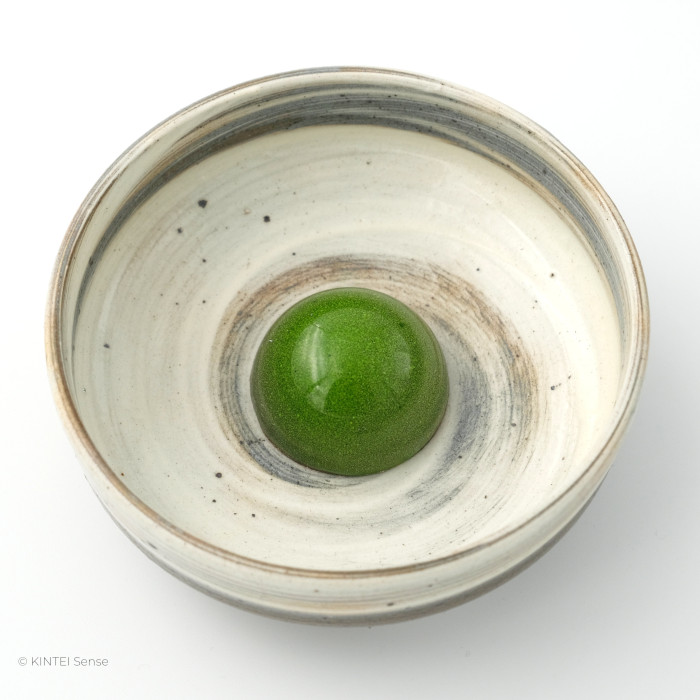
- Madara Karatsu:
This style is also a glazed ceramic, but typically without decorative motifs. The milky straw-ash glaze is characterised by bluish spots or speckles, which give the glaze its madara name and are created during wood firing through chemical reactions between iron in the clay and the glaze.

- Other styles:
There are also several other styles based on different glaze variations, such as kuro-, ao-, and ki-Karatsu. Some of these are historical imitations of styles from the Seto and Mino regions in eastern Japan.
Conversely, many workshops in eastern Japan also adopted Karatsu styles at the time in order to cater to local markets. Other variations include okugōrai, kushime Karatsu, jakatsu Karatsu, nisai Karatsu, and several more.
Karatsu and Yōnobi (用の美) – Beauty through use
Karatsu ceramics fully embody the aesthetic concept of yōnobi (用の美). Yōnobi means “beauty through use,” and, in the view of many potters, it is only through use that the purpose and beauty of a vessel are truly fulfilled.
Its simple, rustic elegance is intended to enhance and harmonise with food, tea, or sake, rather than dominate them.
Through long-term, careful use, Karatsu ceramics gradually develop a natural patina. In tea ware in particular, traces slowly accumulate in the fine cracks of the glaze over time, subtly changing their appearance.
This patina becomes a testimony to time, and the vessel turns into a familiar companion—a cherished piece that brings renewed joy with every use.
Bibliography and links:
Karatsu – Yakimono Renaissance, Tonbo Books, Keisuke Aoyagi
Japanese ceramics from the Tanakamaru collection / text and catalogue by Nagatake Takeshi : an exhibition organized in collaboration with The Japan Foundation, The Metropolitan Museum of Art, New York, November 9, l979-January 6, l980 ; Seattle Art Museum, Seattle, February 7-March 30, l98 (https://libmma.contentdm.oclc.org/digital/collection/p15324coll10/id/77356)
https://www.moco.or.jp/en/facilities/map/b.html
https://www.jtco.or.jp/en/japanese-crafts/?act=detail&id=288&p=41&c=31

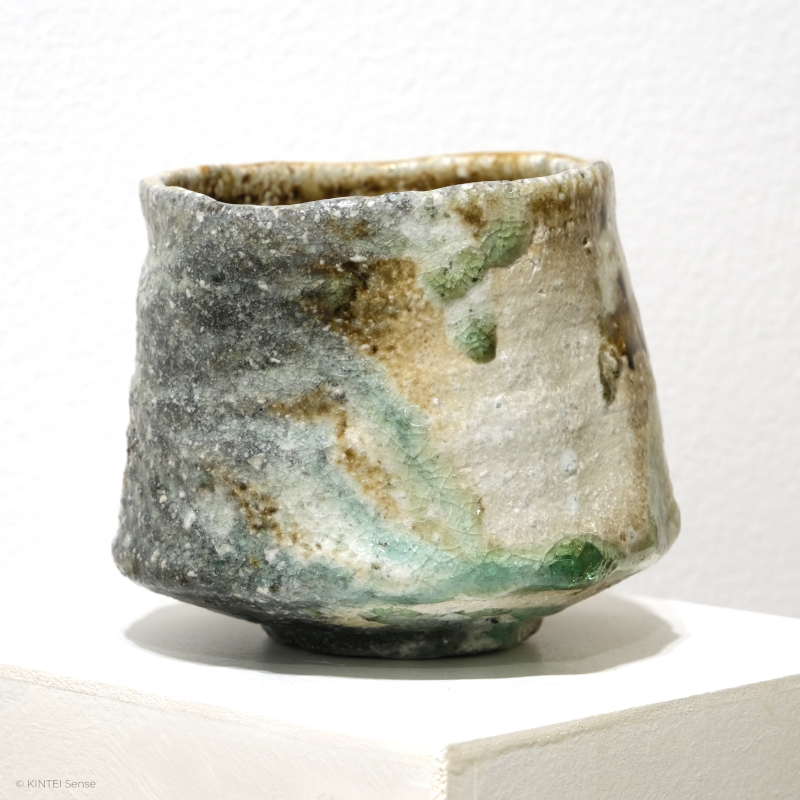
Shigaraki Ceramics
Kintei Sense
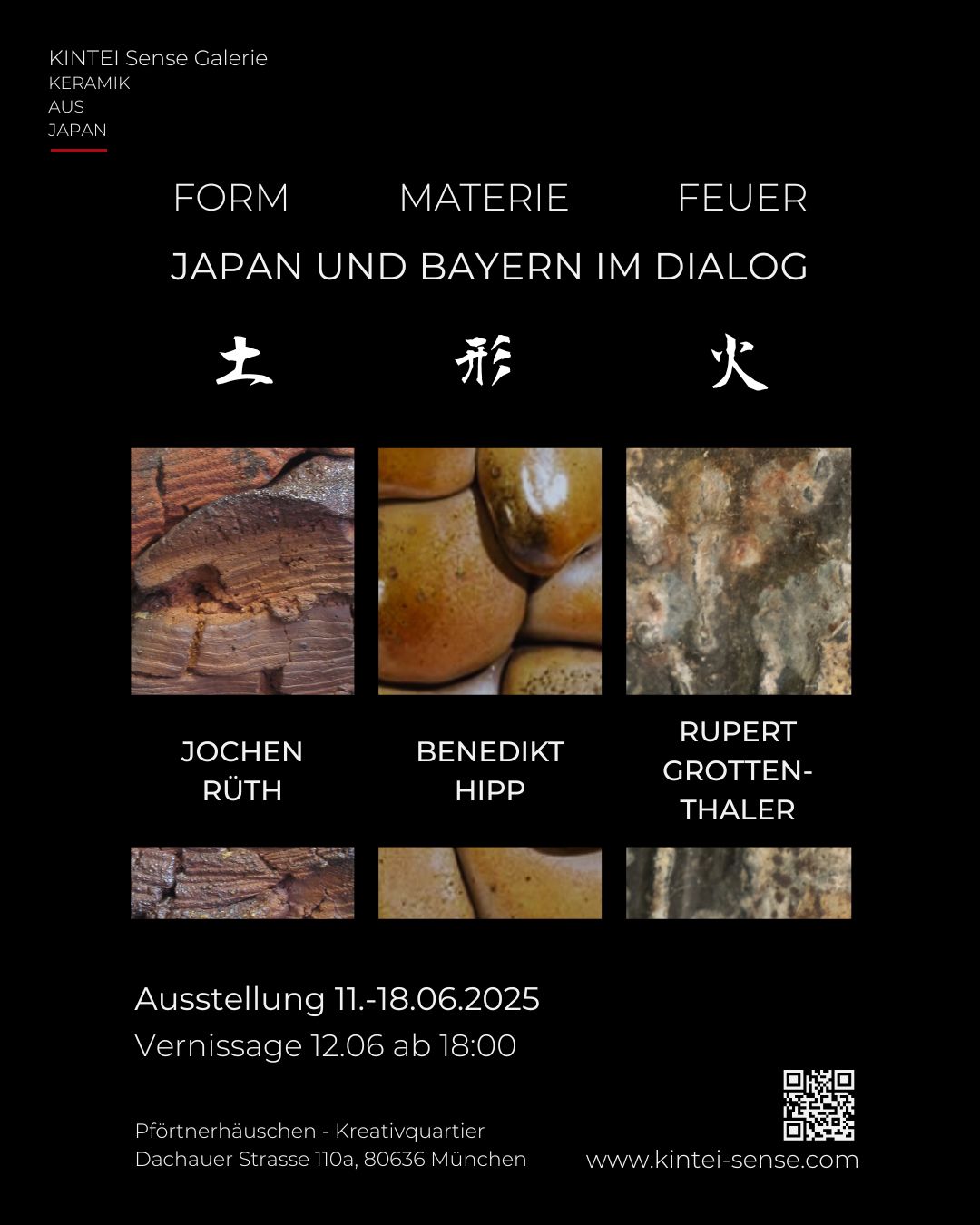
Exhibition Japan and Bavaria in Dialogue 2025
Kintei Sense
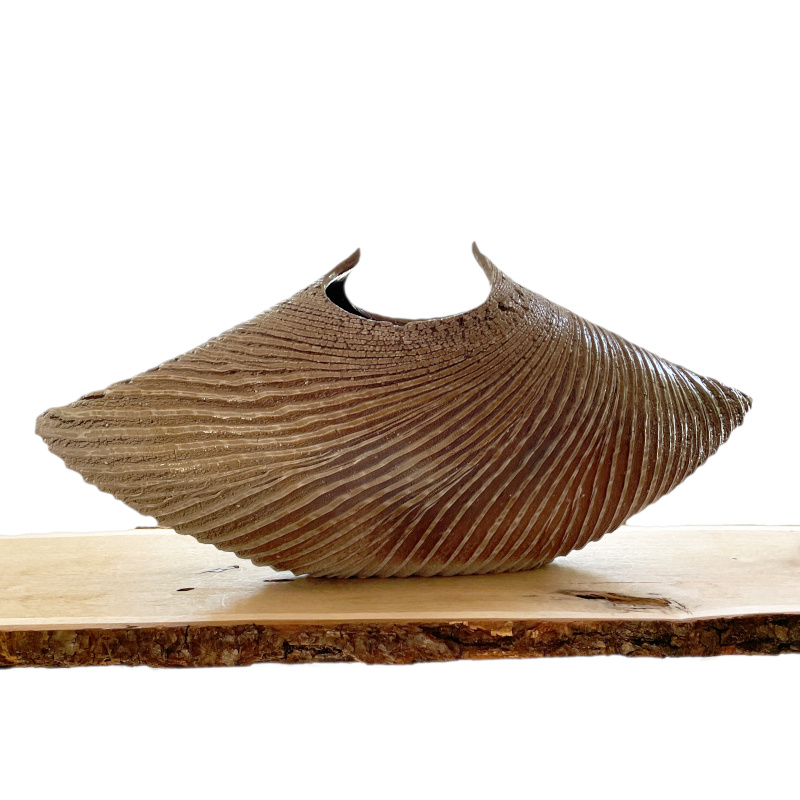
Exhibition Nature in Motion 2025
Kintei Sense

Tea Ceremony and Japanese Ceramics
Kintei Sense

The Taste of Clay
Kintei Sense
