SHIGARAKI-CERAMICS
Where Clay becomes Art
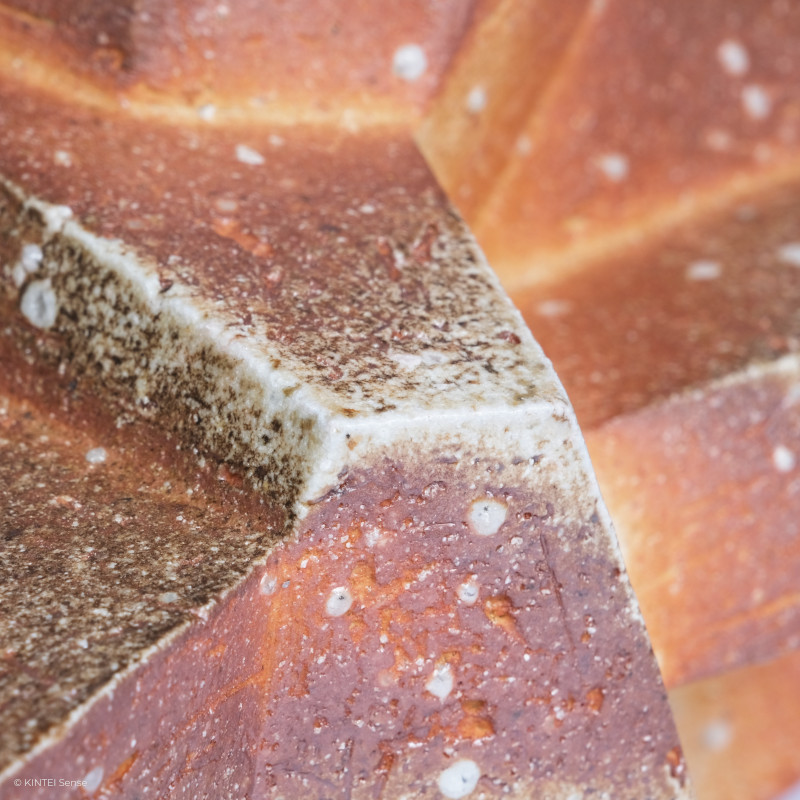
Mention Shigaraki, and different images come to mind. For some, it is the town of cheerful tanuki figures that line the streets. Others think of rustic tea ceramics admired by generations of tea masters, while architects know it for roof tiles and ceramic building materials. Contemporary ceramic artists associate Shigaraki with one of Japan's leading centres for ceramic research and international exchange. At first glance, these worlds seem unrelated.
Yet they all share the same foundation: an exceptional clay.
Located in the southern part of Shiga Prefecture, about an hour southeast of Kyoto and just south of Lake Biwa, Japan's largest freshwater lake, Shigaraki occupies a secluded valley surrounded by forests and gentle mountains. Although close to the former imperial capital, it has remained geographically distinct, allowing a unique ceramic culture to flourish for more than eight centuries. The region is today recognised as one of Japan's Six Ancient Kilns (Rokkoyō), a designation for the country's oldest continuously operating ceramic centres. Its enduring reputation, however, owes less to a particular style than to the extraordinary qualities of its clay.
- A Landscape Written in Clay
Geological origins
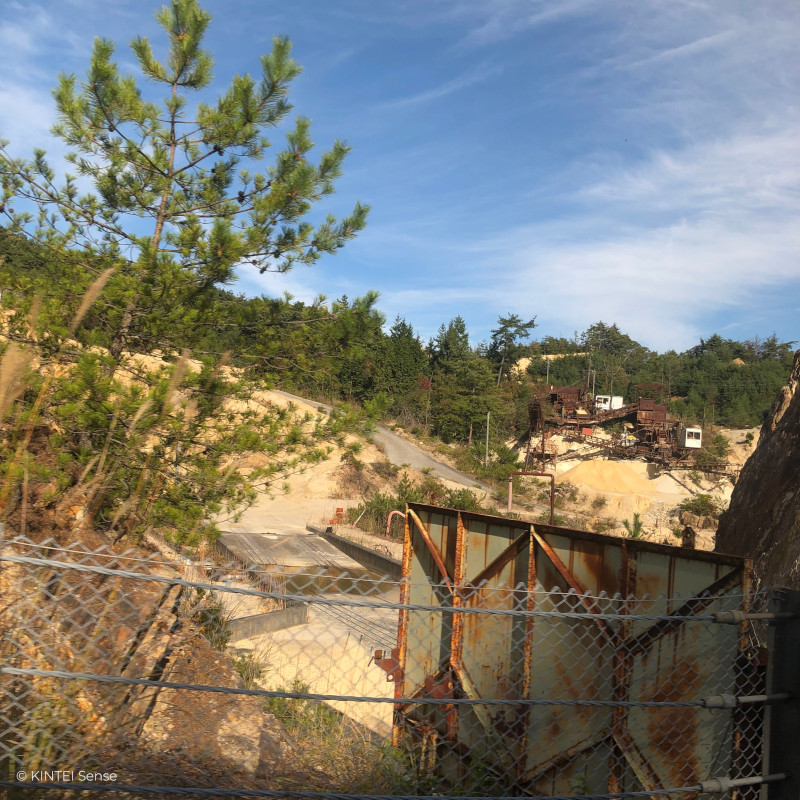
The Clays of Shigaraki
Shigaraki potters work with several local clay bodies, each contributing different characteristics. The light, sandy Gairome clay is coarse and rich in feldspar and quartz, producing lively textures and visible mineral inclusions after firing. The dark Kibushi clay is finer, highly plastic and surprisingly light after firing despite its organic content. Together with other local clays, they provide an exceptional range of possibilities for both wheel-thrown and hand-built ceramics.
The clay is remarkably strong, heat resistant and capable of withstanding long wood firings. Its qualities are so highly regarded that Shigaraki clay is used by ceramic artists throughout Japan.
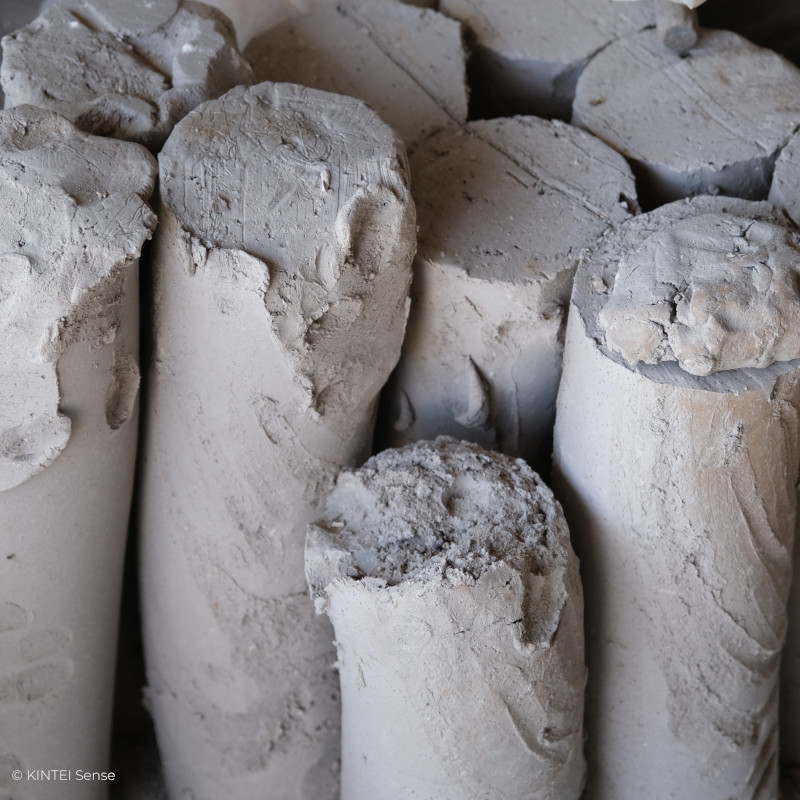
Tsuchi-aji – the "taste of clay"
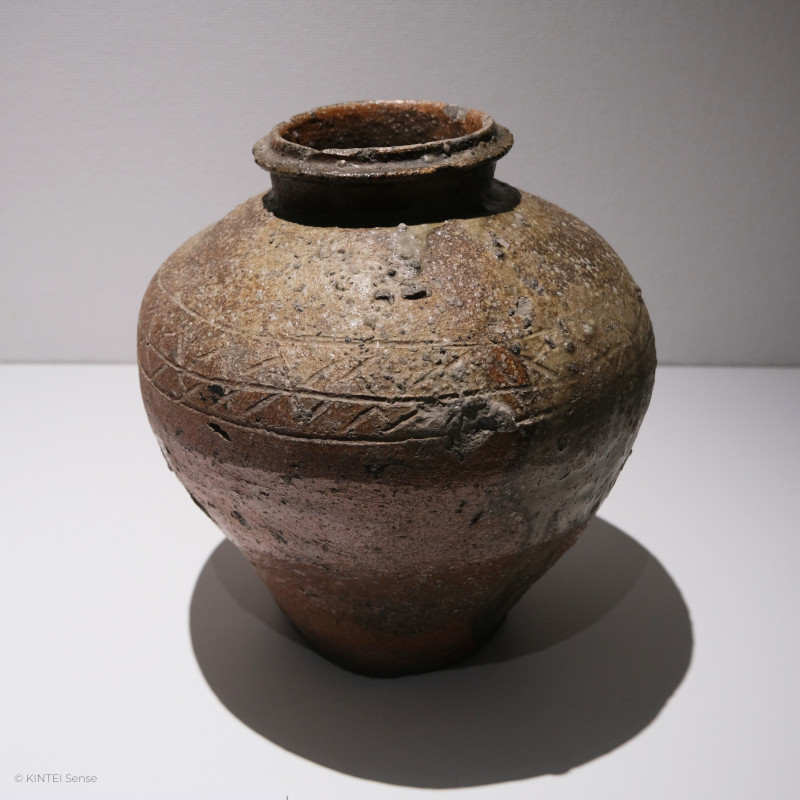
Japanese potters often speak of tsuchi-aji, literally "the taste of the clay," to describe the warmth, depth and character a clay body reveals after firing. In Shigaraki, that quality is especially clear in
-
Shigaraki's Signature: Yakishime Ceramics
Shigaraki's Signature: Yakishime Ceramics
The Beginnings of Pottery Production
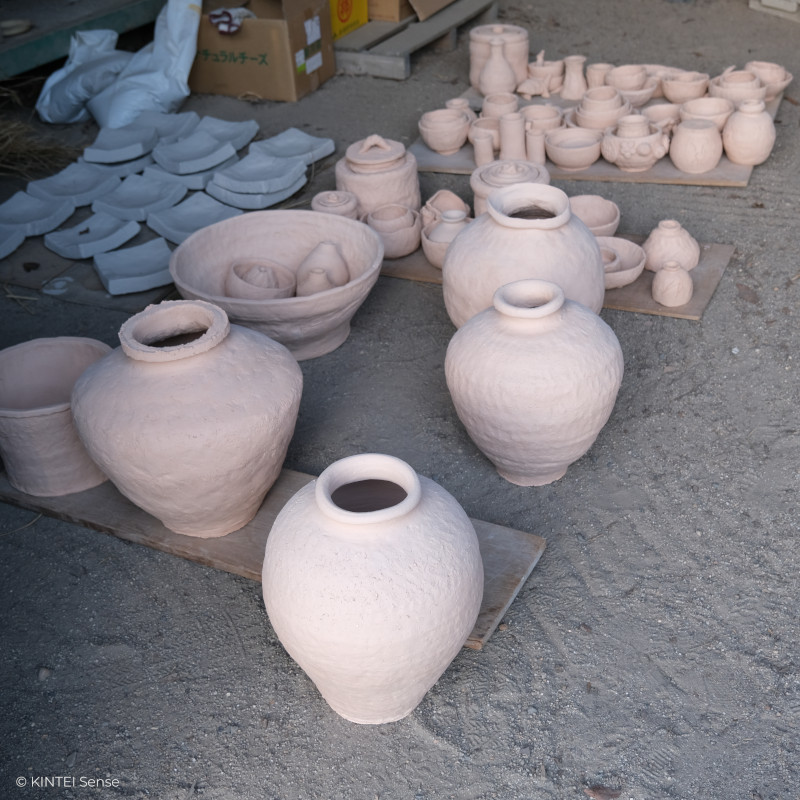
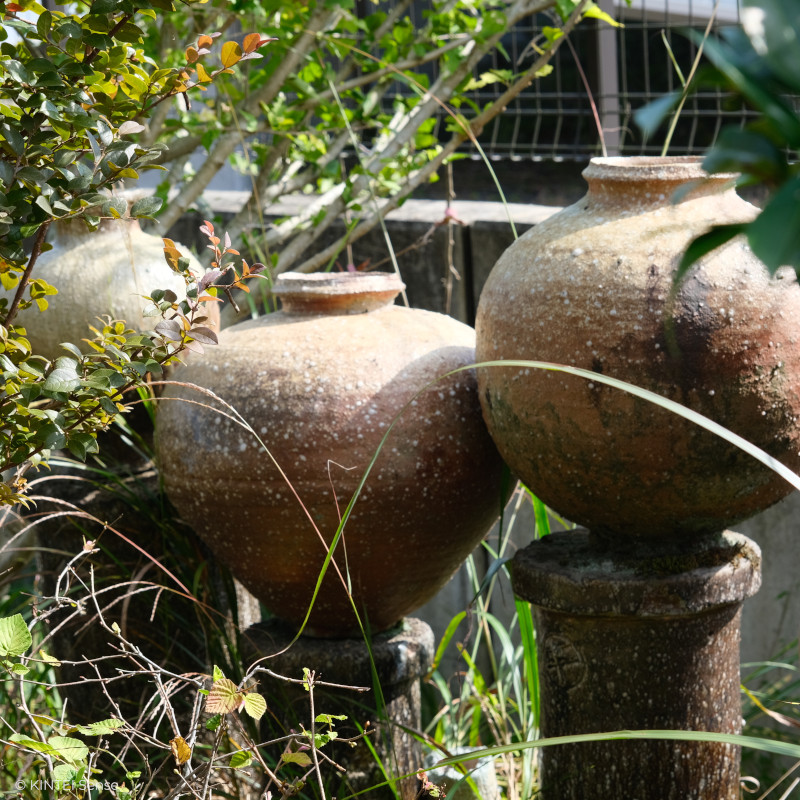
The Tradition of large Storage Jars (Tsubo)
The Art of Wood Firing
Given the unique character and taste of its clay, Shigaraki became thus renowned for yakishime, high-fired, largely unglazed stoneware. These vessels achieved their beauty through the interaction of clay, ash and fire. Long firings in wood-burning kilns transformed their surfaces naturally, making the material itself a canvas for the expression fire and the resulting kiln changes.
During firing, ash settled onto the surface and melted into translucent green bidoro glass. Iron within the clay developed warm orange and reddish hi-iro ("fire colour"), while direct contact with flame created dark scorch marks known as koge. Large feldspar inclusions emerged as white bursts ( ishihaze) or softened into rounded beads (arare). Together these kiln transformations (yōhen) produced surfaces that could never be repeated, recording the movement of fire across the vessel like a landscape.
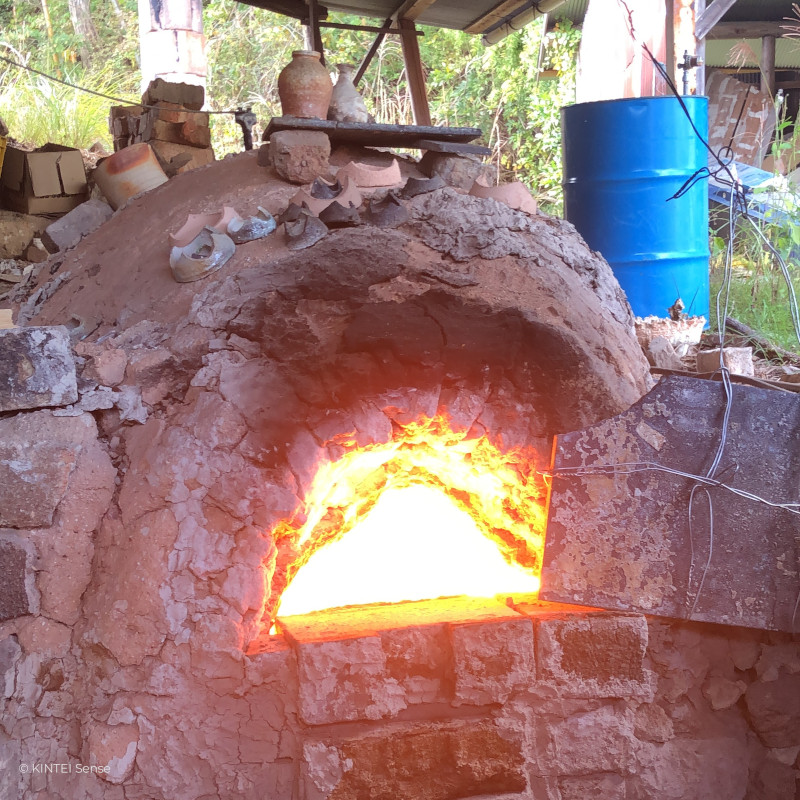
Anagama - Sawa Katsunori
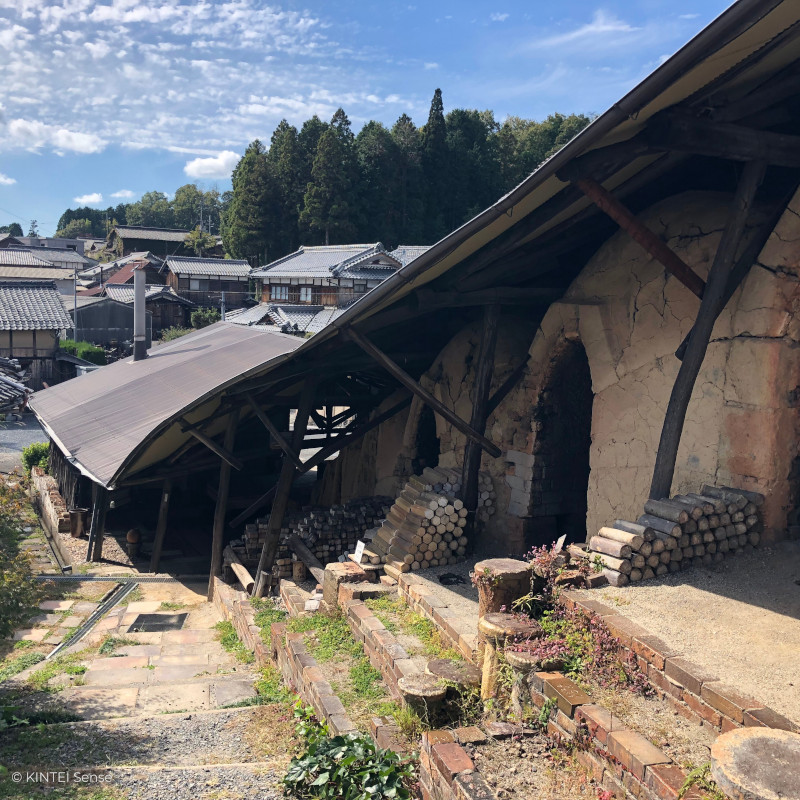
Noborigama - Oogama Café
-
Shigaraki and the tea ceremony
Shigaraki and the tea ceremony
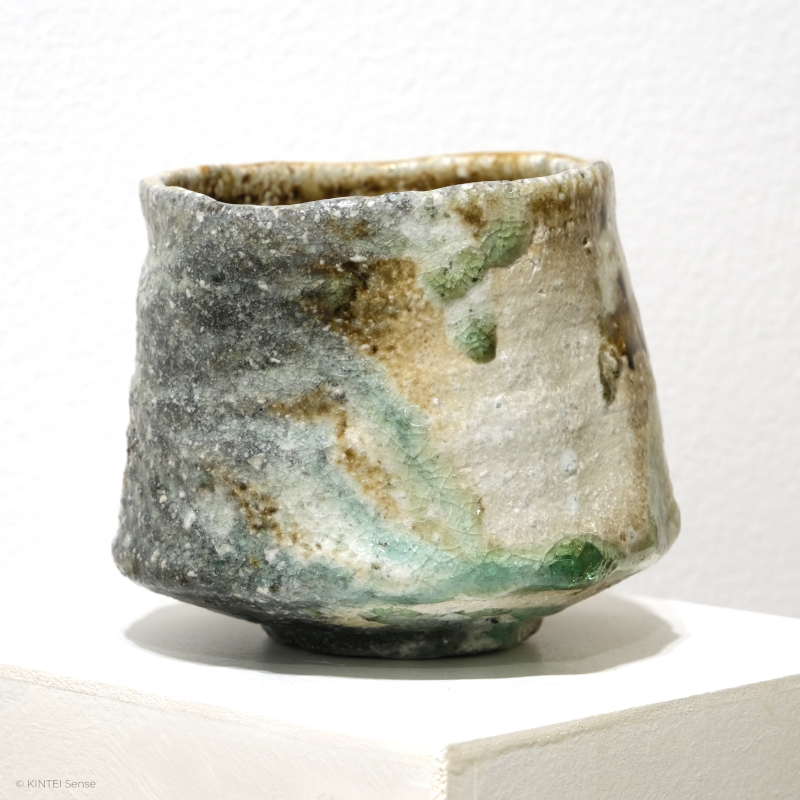
Chawa - Sawa Katsunori
The Influence of Wabicha
From Storage Jars to Tea Ceramics
Large medieval tsubo and kame were admired for their sculptural presence and powerful form. Many were repurposed as mizusashi (fresh-water containers) for the tea ceremony, giving these utilitarian vessels an entirely new cultural significance.
Before long, Shigaraki potters began producing ceramics specifically for tea practice. These included mizusashi, hanaire (flower vases), chaire (tea caddies), and eventually tea bowls. Despite their new function, they retained the qualities that had defined Shigaraki for centuries: coarse clay, restrained forms, and natural wood-firing effects.
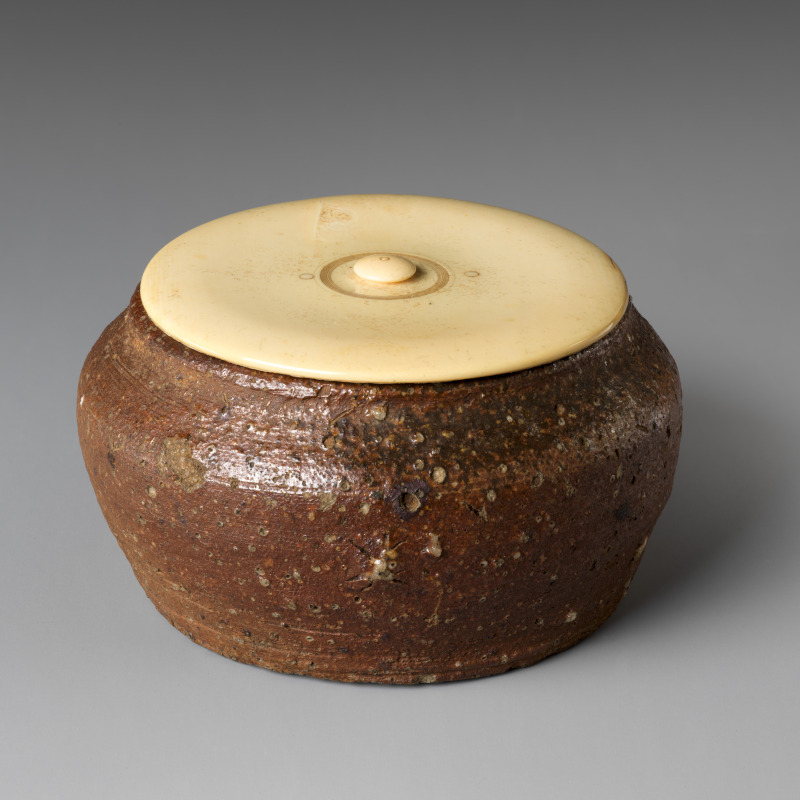
MET Museum - Shigaraki Tea Caddy (Chaire) in Taikai shape, 16th Century
Credit Line: Gift of Peggy and Richard M. Danziger, 2024
Object Number: 2024.553.16a, b
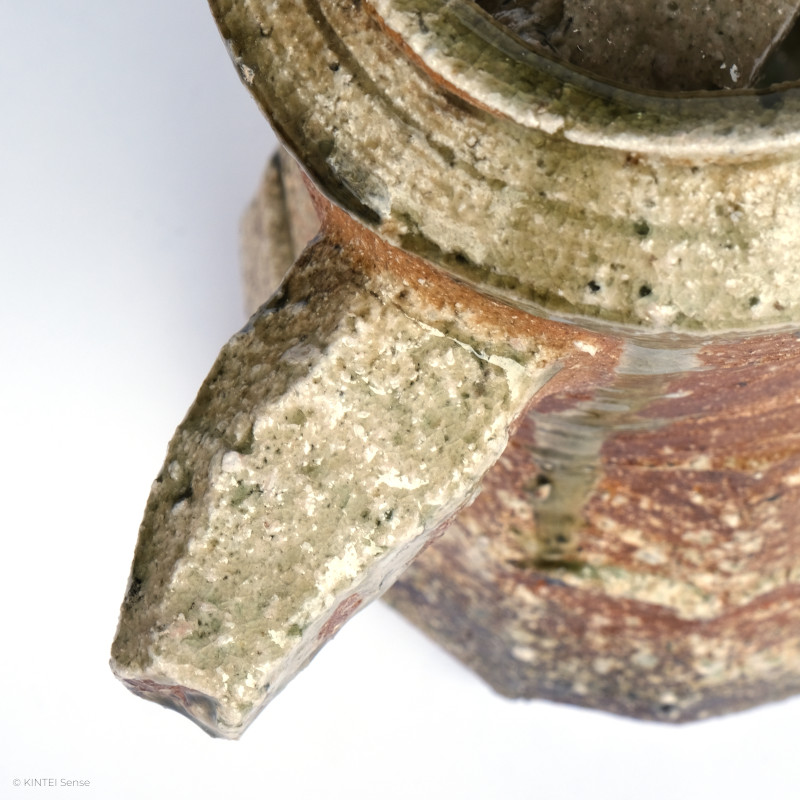
Shigaraki Pail - Sawa Katsunori
The Aesthetics of the Material
-
A Tradition of Reinvention
A Tradition of Reinvention
Although yakishime tea ceramics remain central to Shigaraki's reputation, they represent only one chapter in a remarkably diverse history.
During the Edo period, Shigaraki became renowned for official tea jars commissioned by the Tokugawa shogunate. During the Meiji period and early Shōwa period, the region developed into one of Japan's leading producers of hibachi braziers, roof tiles, architectural ceramics and household wares.
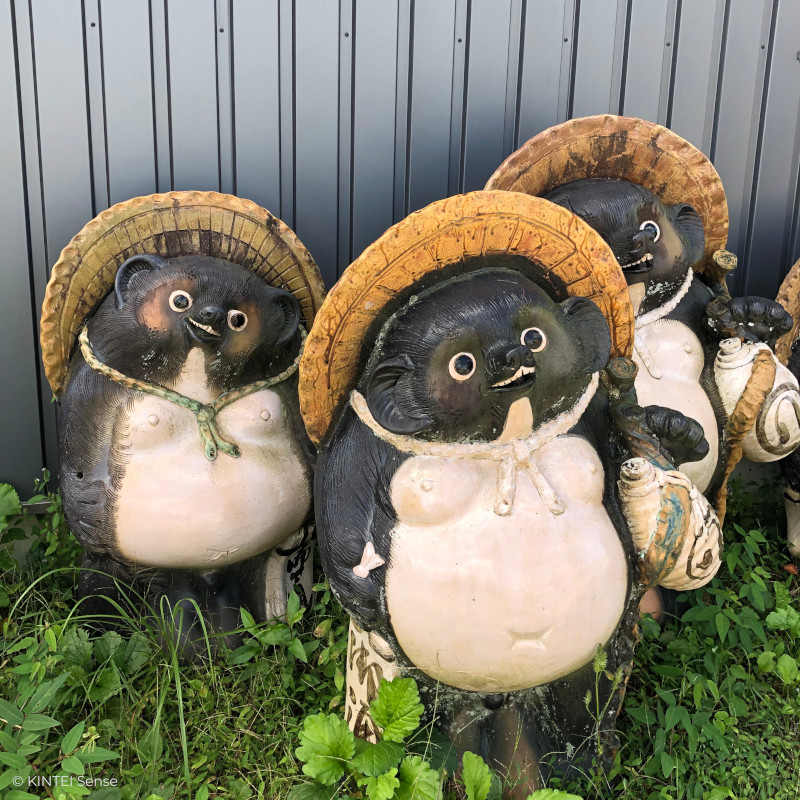
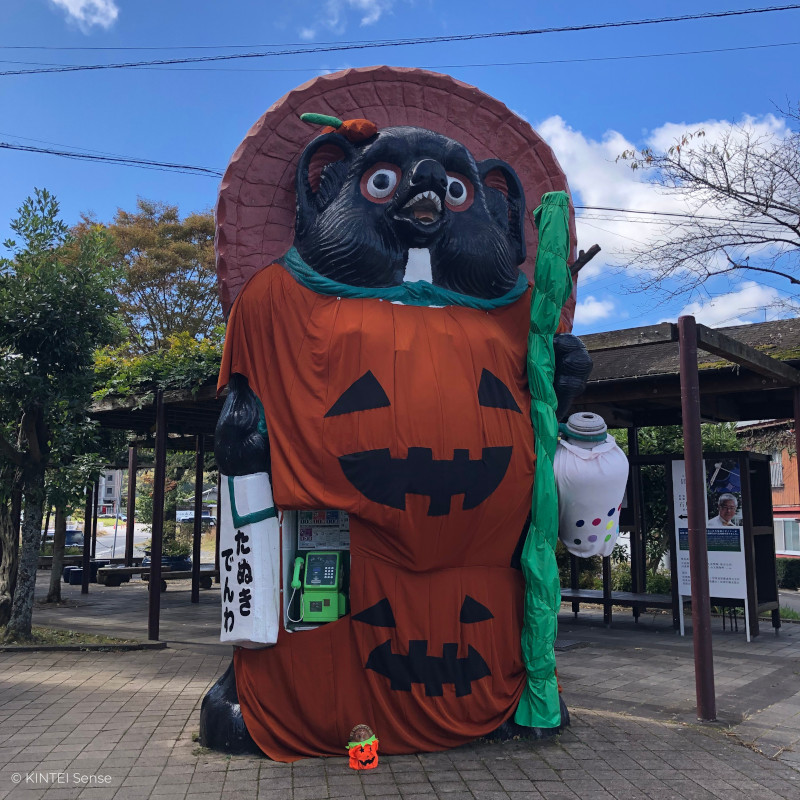
The famous tanuki figures that today line the streets of Shigaraki also belong to this history. Produced primarily during the twentieth century, these cheerful raccoon dogs became an enduring symbol of the town and a testament to the remarkable versatility of its ceramic production.
What united these diverse objects was never a particular form or decoration, but the remarkable adaptability of the clay itself.
-
Shigaraki Now
Shigaraki Now
The Revival of Yakishime
During the 1960s and 1970s, artists rediscovered the expressive possibilities of medieval yakishime. Earlier, in the 1930s, the charismatic ceramic and culinary creator Rosanjin Kitaōji (1883–1959) had already helped raise awareness of Shigaraki ware and its distinctive qualities.
In the postwar decades, artists from local potter families such as the Takahashi Rakusai or the Ueda Naokata family renewed interest in the dramatic firing landscapes of the Momoyama period. Later, Kohyama Yasuhisa (b. 1936) brought fresh innovation to the tradition, showing how Shigaraki clay could support new artistic directions moving away from functional tea ware to artistic expressions.
New Artistic Expressions
The creative potential of Shigaraki clay also attracted artists beyond the field of ceramics. Okamoto Tarō developed a particularly close relationship with Shigaraki, collaborating with local potters over many years. In addition to the ceramic elements created for his iconic Tower of the Sun (Taiyō no Tō) for Expo '70 in Osaka, he produced reliefs, murals and sculptural works in Shigaraki, demonstrating how its ceramics could become a powerful medium for modern art far beyond the tradition of functional vessels.
Kohyama Yasuhisa (b. 1936) further advanced this development within contemporary ceramics. His sculptural works expanded the expressive possibilities of Shigaraki clay well beyond its traditional functional role.
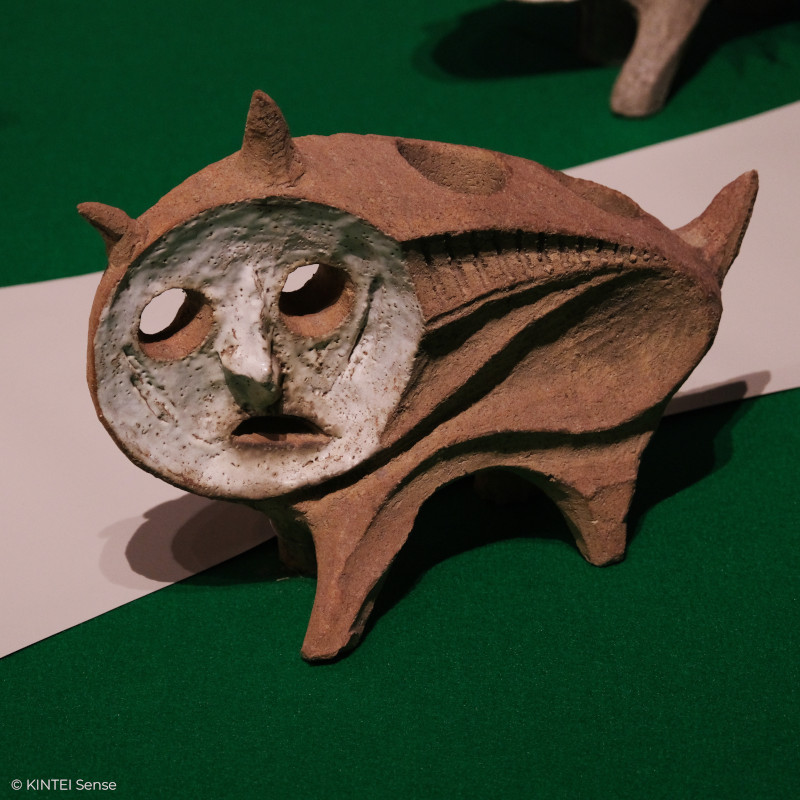
Okamoto Taro - Dog Shaped Flower Pot 1956, The Museum of Contemporary Ceramic Art

Tao Akira - Stretching
The Future of Shigaraki
A younger generation continues to reinterpret this tradition. Sawa Katsunori (b. 1978) remains deeply rooted in wood firing and the distinctive surfaces of historical yakishime, while combining influences from different ceramic traditions to expand the classical vocabulary of Shigaraki.
Tao Akira (b. 1994), by contrast, uses the same clay to create sculptural works with a distinctly contemporary visual language. Although their approaches differ greatly, both artists demonstrate the remarkable versatility and enduring vitality of Shigaraki's clay.
-
International ceramic and art centre
International ceramic and art centre
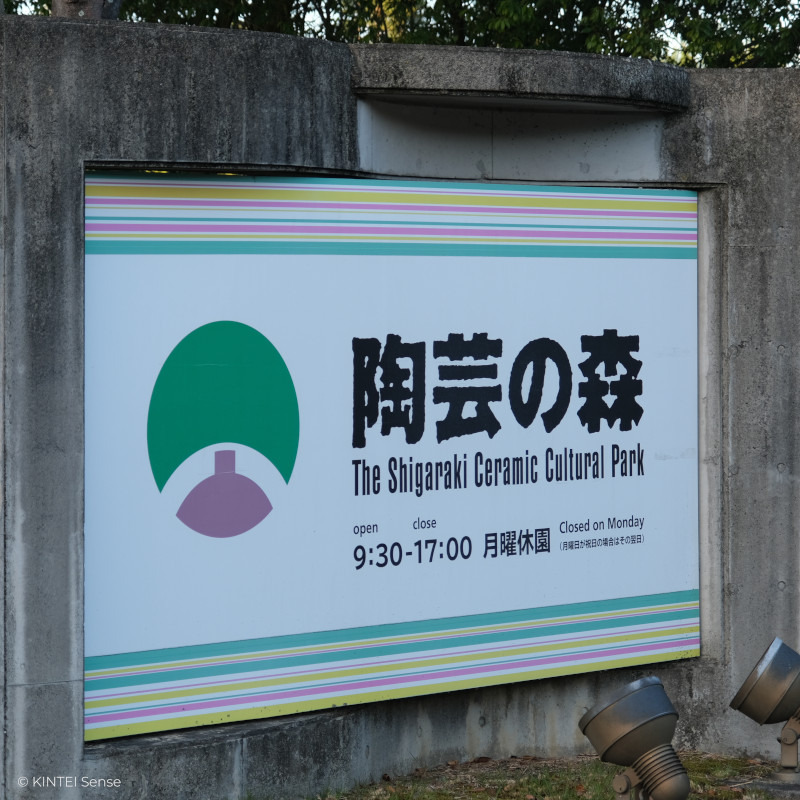
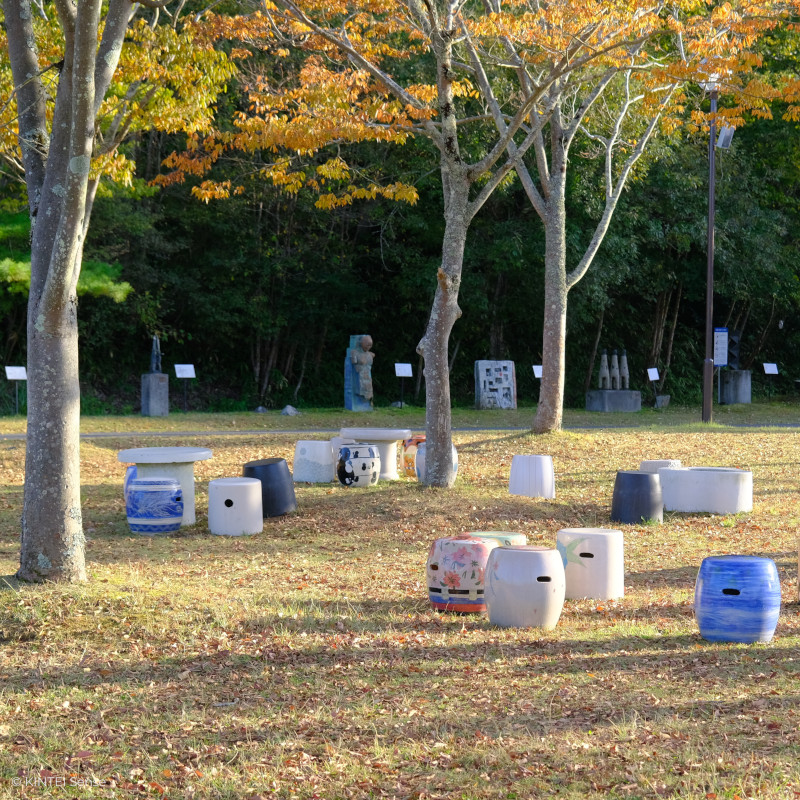
Tougei no Mori: The Shigaraki Ceramic Cultural Park
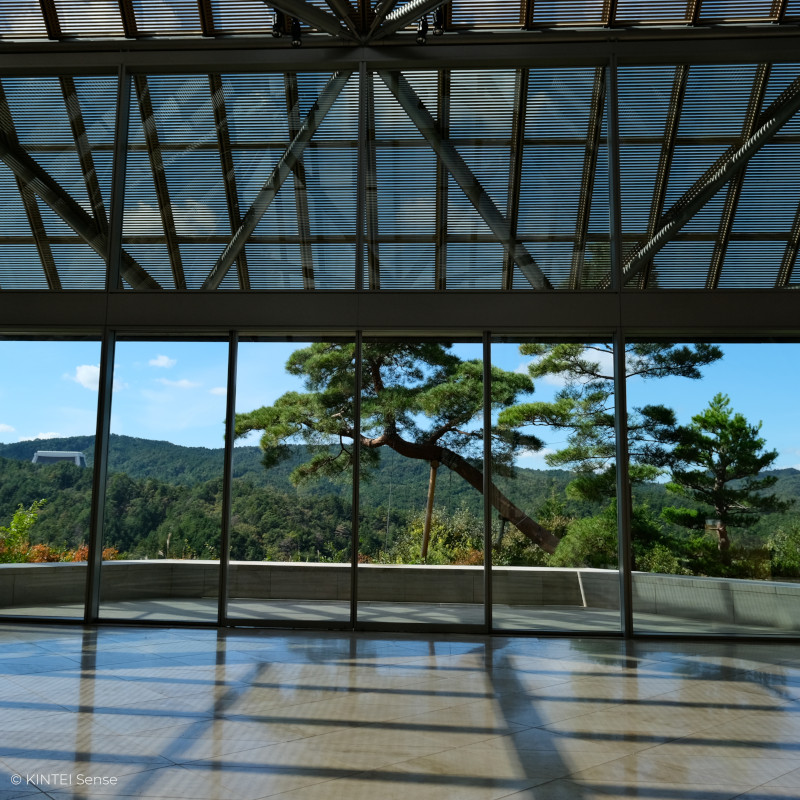
MIHO MUSEUM
The Timeless Appeal of Clay
In an increasingly digital world, we are drawn to objects that embody authenticity, materiality, and a tangible connection to nature. Shigaraki fulfils this desire in a remarkable way.
Its appeal lies not in flawless perfection, but in the distinctive character of its clay - its tsuchi-aji. Every work reveals both the origin of its material and the transformative journey through the fire.
More than eight hundred years after farmers first began shaping clay into vessels during the quiet winter months, the same earth continues to inspire ceramic artists from Japan and around the world. Forms and artistic expressions may evolve, yet the foundation remains unchanged.
Shigaraki demonstrates that a living tradition is not preserved by simply repeating the past, but by continually reinterpreting it. Its greatest masterpiece has always been—and continues to be—the clay itself.
Bibliography and links:
Cort, Louise Allison. Shigaraki: Potter's Valley. Tokyo & New York: Kodansha International, 1979.
https://folklife-media.si.edu/docs/festival/program-book-articles/FESTBK1986_07.pdf
https://www.e-shigaraki.org/discovershigaraki/.assets/Shigaraki-Proffesional-Destination-Guide.pdf
https://en.sixancientkilns.jp/shigaraki/
The Shigaraki Ceramic Cultural Park: https://www.sccp.jp/e/
Miho Museum: https://www.miho.jp/en/
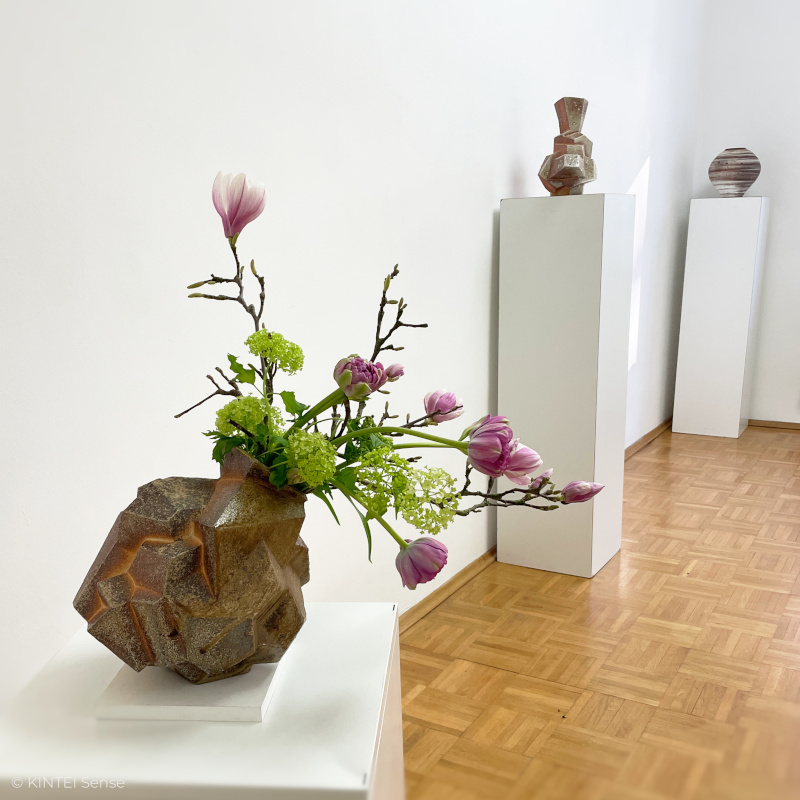
Exhibition Dō – The Way of Clay 2026
Kintei Sense
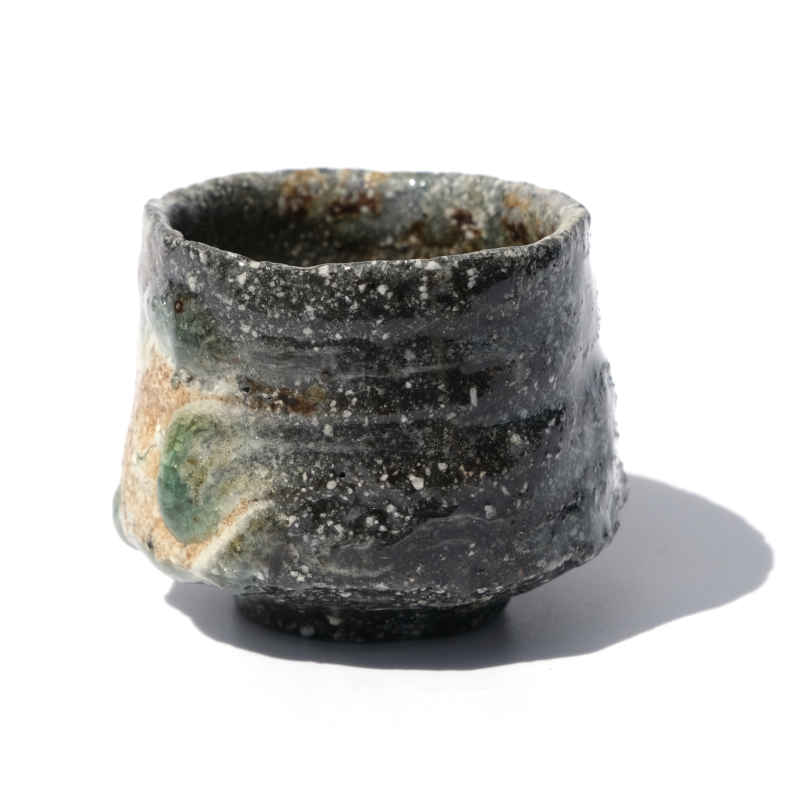
Sake Ceramics
Kintei Sense

Tea Ceremony and Japanese Ceramics
Kintei Sense
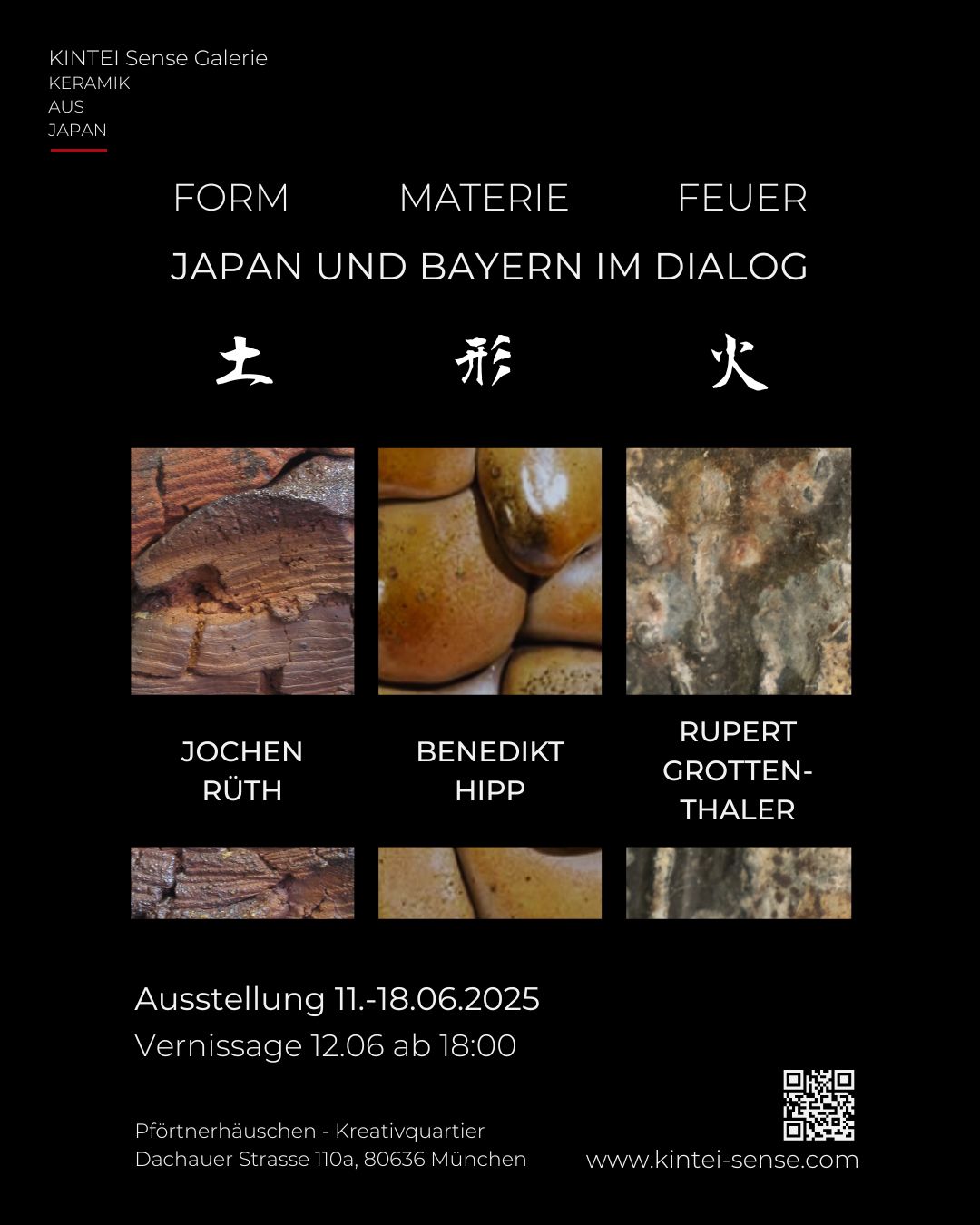
Exhibition Japan and Bavaria in Dialogue 2025
Kintei Sense
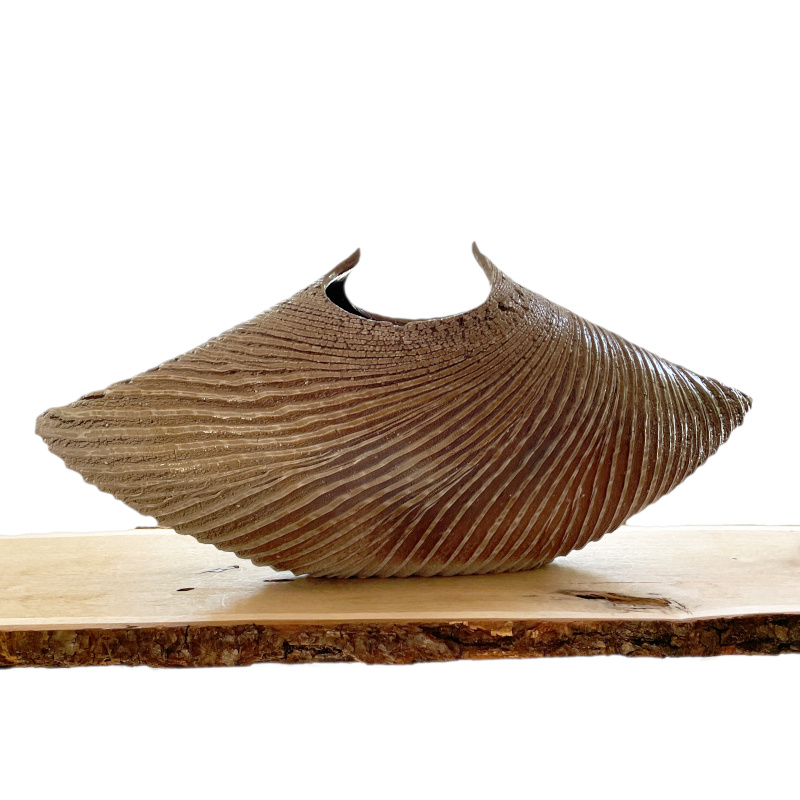
Exhibition Nature in Motion 2025
Kintei Sense
Shigaraki Ceramics
Kintei Sense

Karatsu Ceramics
Kintei Sense