What do wine and ceramics have in common?
Both awaken passion and make collectors’ hearts beat faster. In the world of wine, one of the key concepts behind this is terroir. In ceramics, a closely related idea exists in tsuchi-aji —the “taste of clay”.What sets Japanese ceramics apart is that the clay is not simply a structural base or hidden support. Instead, it often takes on a central role in its own right—unlike many other ceramic traditions where the surface effect of glaze tends to dominate.
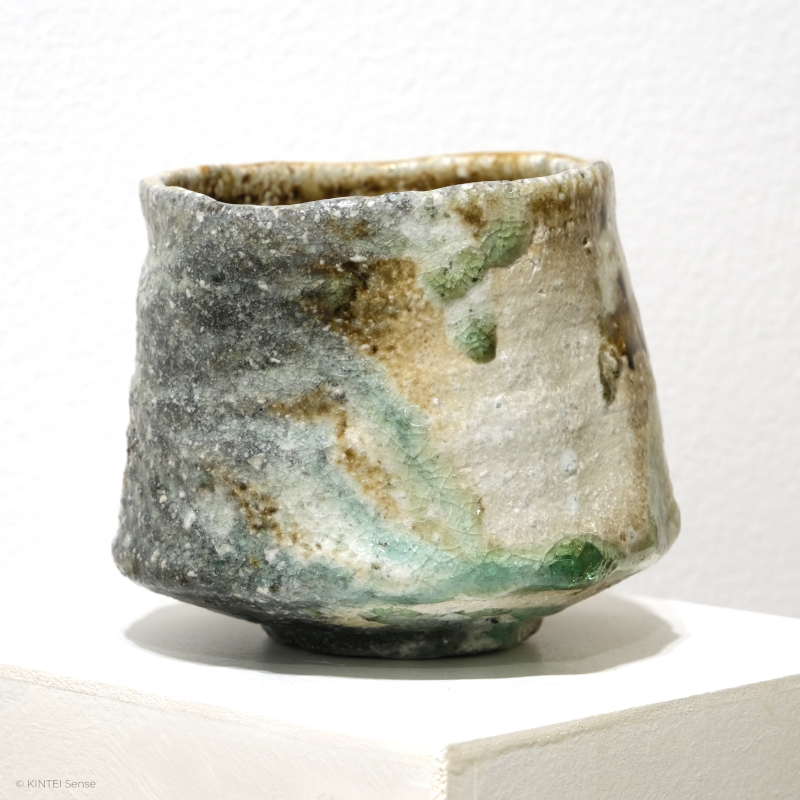
Here, the material is given space to fully express itself. It is revealed from all sides, showing its true character—its “taste”—whether coarse or smooth, dense or porous, dark or light in tone.

The terroir of ceramics
The possibilities are endless and reflect the concept of terroir. In the world of wine, this term describes how a wine’s character is shaped by the conditions of its origin—soil composition, topography, climate, and weather all play a role in defining what is understood as terroir.In much the same way, clay is deeply influenced by its place of origin. It carries the characteristics of the soil it comes from, the climatic conditions of the region , and the surrounding geological environment. This “terroir” affects its plasticity and mineral composition, ultimately shaping the final outcome—the “taste of clay.”

For example, Morioka is not a region in Japan known for particularly workable clay. Too plastic, it does not hold its shape well on the potter’s wheel. Its dark colour is also difficult to bring out, making it a challenge that Yukinoura Yuichi of Kisaragi Gama has chosen to embrace.
Shigaraki, on the other hand, offers a clay whose terroir is particularly favourable. So much so that it is often left unglazed in order to bring out exactly what is so highly sought after in Japan—almost like a holy grail: tsuchi-aji, the “taste of clay.”
Delve Deeper into the World of Ceramics
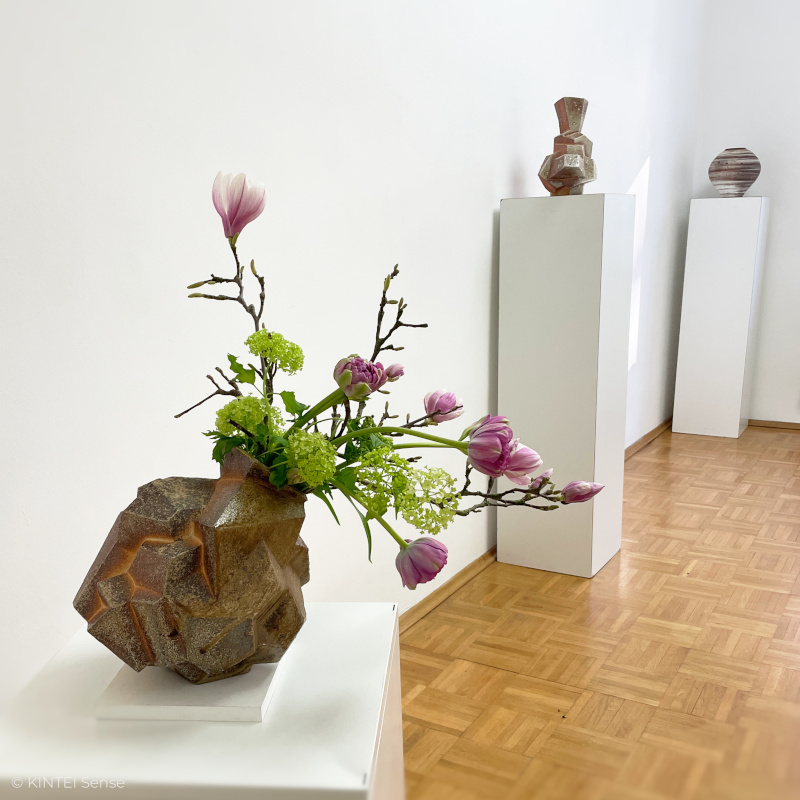
Exhibition Dō – The Way of Clay 2026
Exhibition “土 Dō – The Way of Clay” From Craft to Art…
Kintei Sense
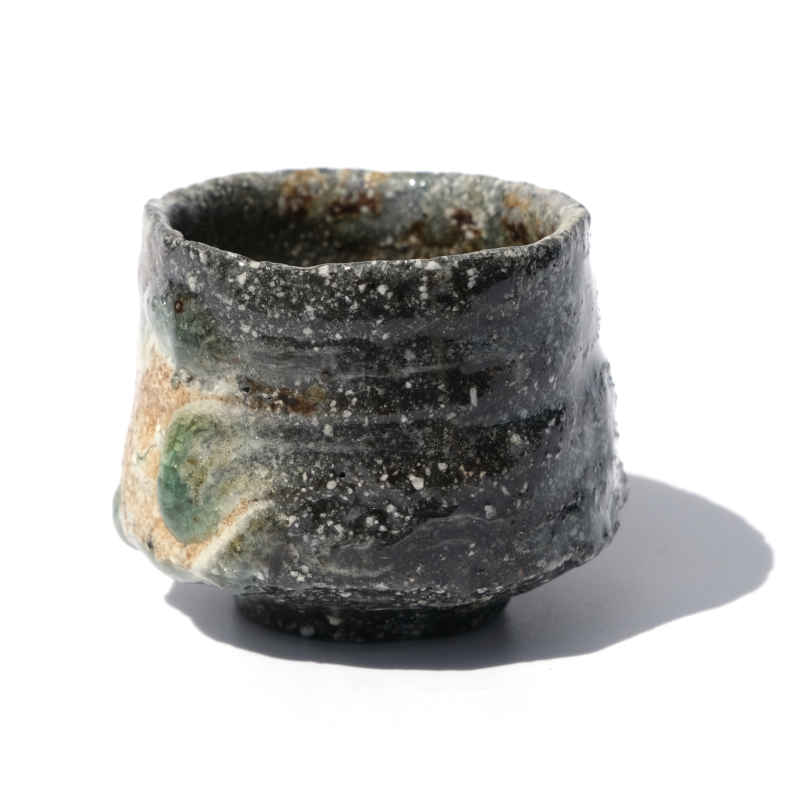
Sake Ceramics
Sake ceramics are more than vessels for drinking. Discover how form, texture, material and Japanese tea culture shape the experience…
Kintei Sense

Tea Ceremony and Japanese Ceramics
From Matcha to Raku: How the tea ceremony shaped Japanese ceramics and their aesthetic.Explore how Wabi-Sabi redefined ceramic art.…
Kintei Sense
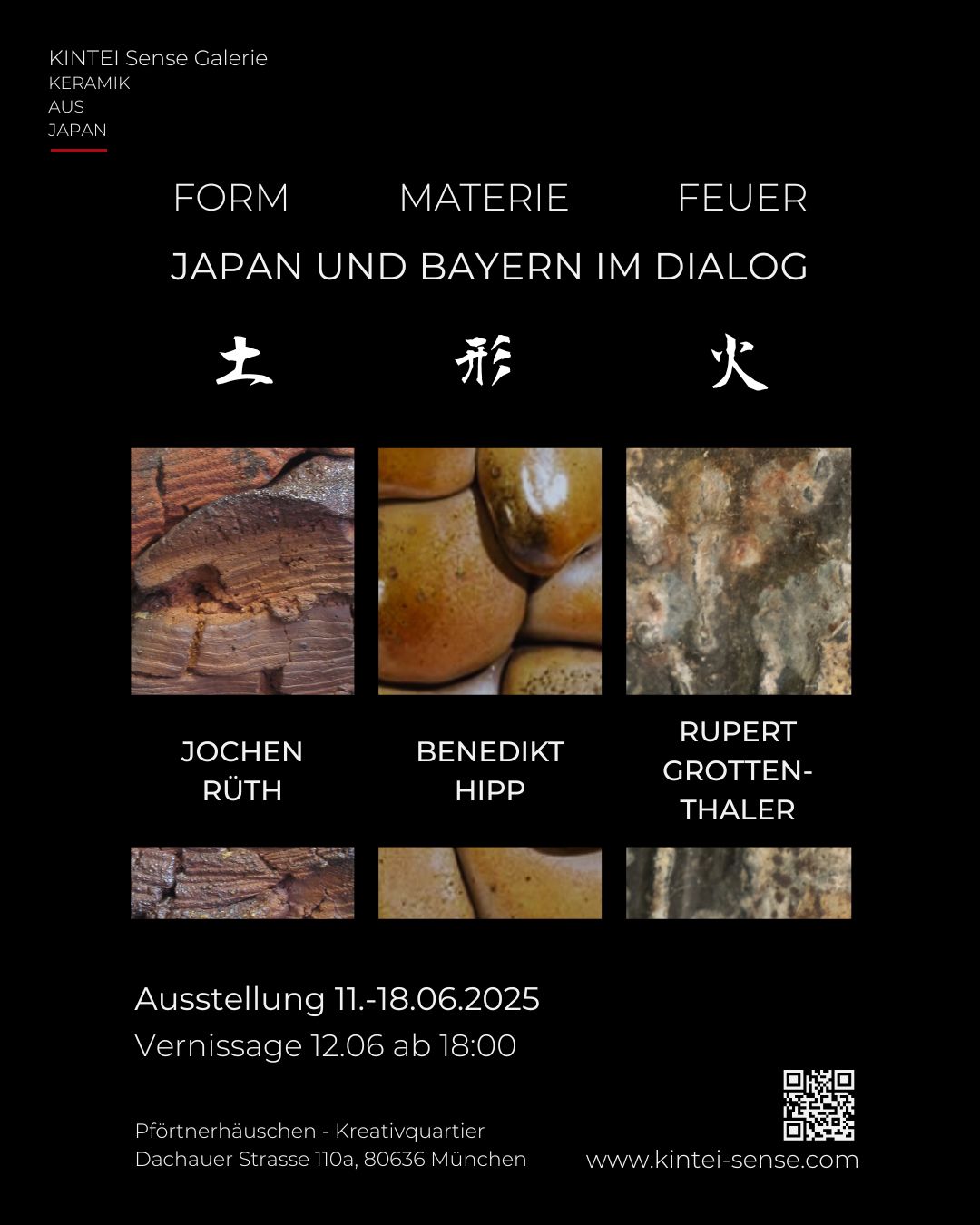
Exhibition Japan and Bavaria in Dialogue 2025
Exhibition “Japan x Bavaria in Dialogue – Form Matter Fire”: Group exhibition with Rupert Grottenthaler, Jochen Rüth and Benedikt Hipp…
Kintei Sense
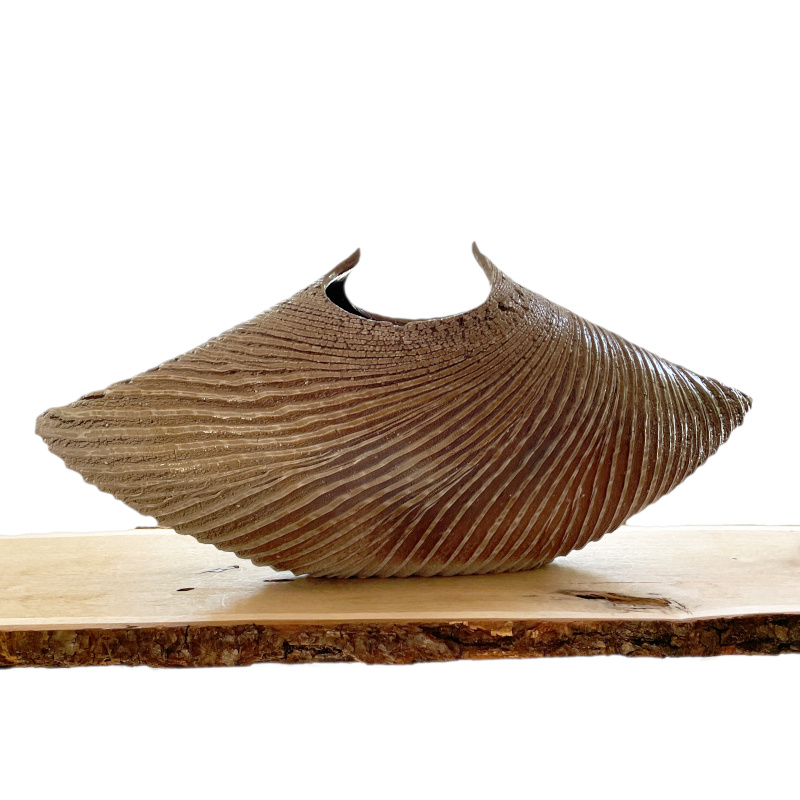
Exhibition Nature in Motion 2025
Exhibition “Nature in Motion” with Ishida Kazuya from Bizen – May 2025 with 2 day intensive ceramic workshop at the…
Kintei Sense
Shigaraki Ceramics
The taste of clay has defined Shigaraki for centuries. How clay, fire and the tea ceremony gave rise to one…