

Japanese ceramic styles
Exploration and overview

- Why are there so many Japanese ceramic styles?


-
Japanese Ceramic Styles: 4 Main Categories
Japanese Ceramic Styles: 4 Main Categories
- Unglazed Earthenware (土器, Doki)


2. Earthenware (陶器, Tōki)
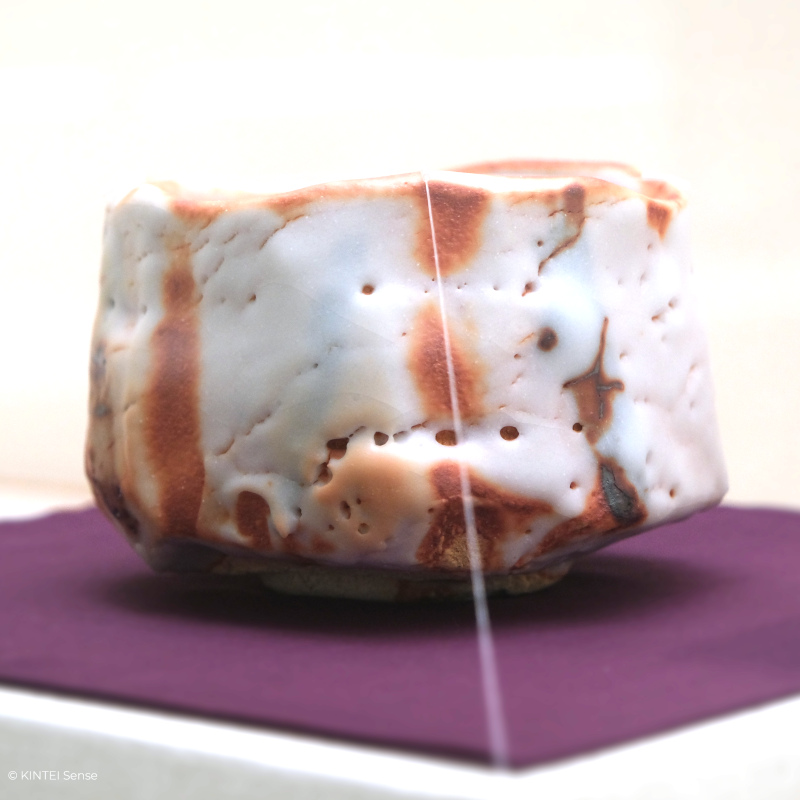
Tōki, glazed earthenware, is another important category of Japanese ceramic styles. It is made of clay and fired at medium temperatures (1100–1250°C). Earthenware is more robust than Doki earthenware and is often glazed, making it even more resistant. Thus, it is ideal for everyday use.
From the 8th century, in the Nara period (710 – 794), three-coloured Sansai glazed ceramics, inspired by the typical ceramics from Tang China and the United Silla Empire, Korea, became widespread. However, they were soon neglected in favor of monochrome green glazes or ash glazes, which were more in line with Japanese taste. Seto, near present-day Nagoya, developed into the most important, if not the only, center for glazed ceramics in the Muromachi period (1333-1573). Later, other styles such as Mino, Karatsu and Hagi ceramics as well as Raku developed. These centers experienced their heyday in the 16th century with the emerging enthusiasm for the tea ceremony. Even today, they are among the most important Tōki styles, along with the popular Mingei ceramics from Mashiko, a glazed style that became known in the 1920s through Yanagi Sōetsu, Hamada Shōji, and Bernhard Leach.
Even though Tōki ceramics are glazed and each region has its own style due to different raw materials and influences, Japanese ceramic artists still attach great importance to bringing out the “taste of the clay”, i.e. the texture and character of the clay, through transparent glazes or special treatment of the base.

3. High-fired Stoneware (石器, Sekki)
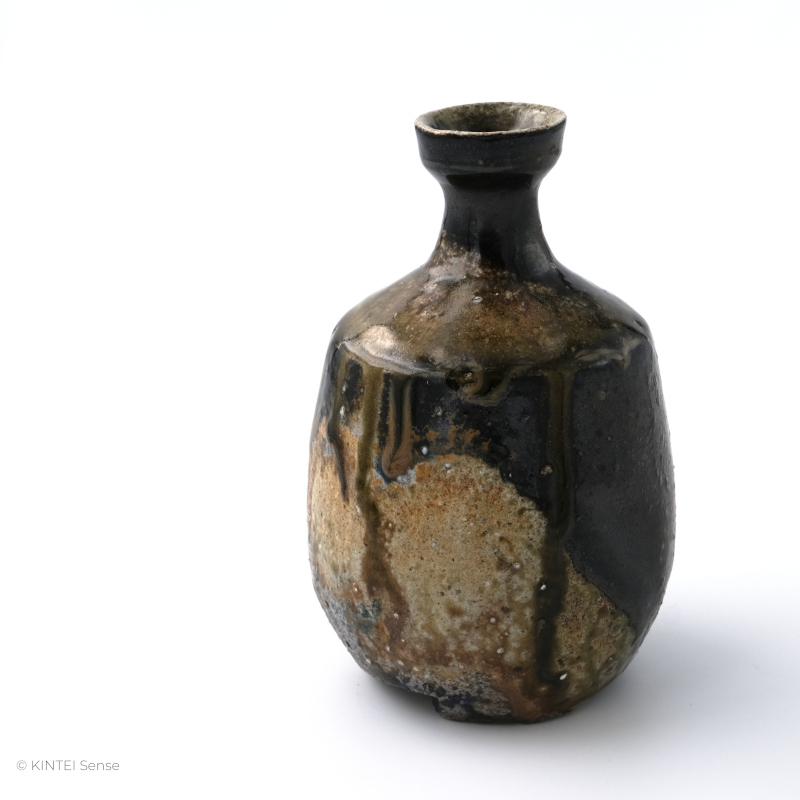
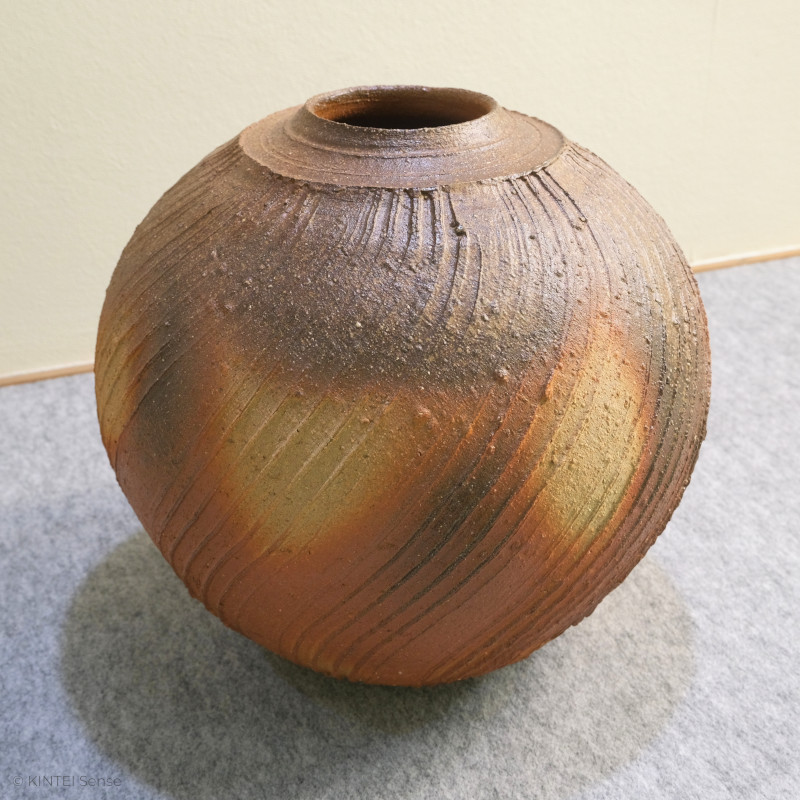
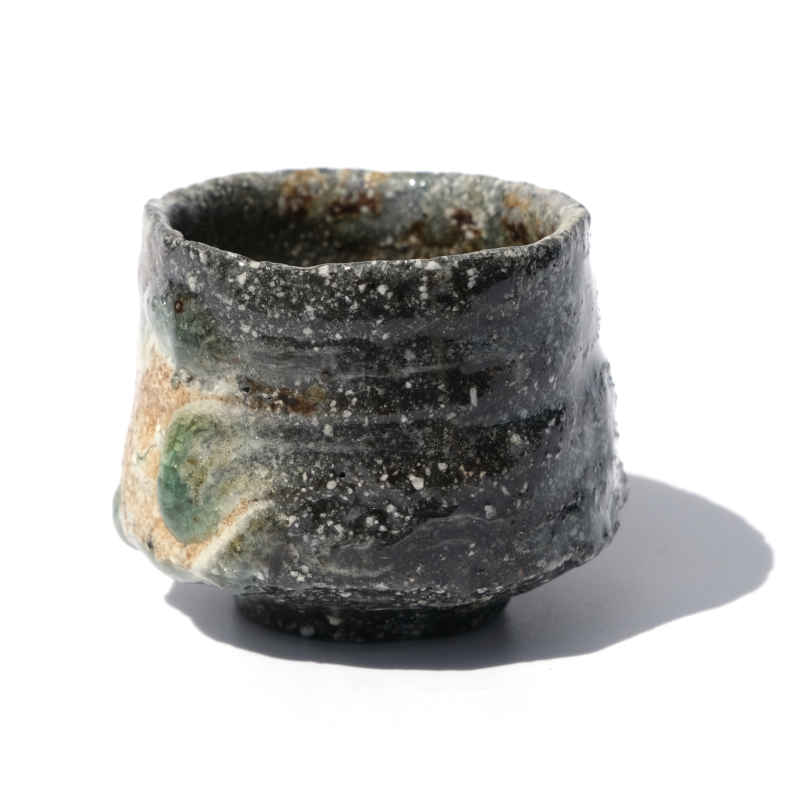
Sekki, translated as stoneware, is a special category of Japanese ceramic styles that includes unglazed ceramics made of clay. The ceramic, which is fired at very high temperatures (between 1200°C and 1300°C), is extremely dense and robust. The tradition of unglazed Yakishime ceramics developed from the Sueki tradition: the dark, gray-black unglazed Sueki ceramics were the first high-fired ceramics to become widespread thanks to the development of the Anagama kilns in the 5th century. The random effects of fire and ash during the firing process characterize the pieces, such as the vitrification of the ash glaze or Yohen color changes.
Well-known styles are Bizen, Shigaraki and Iga. Tamba, Echizen and Tokoname also originally belong to this category. This aesthetic randomness of the fire on the unglazed ceramic is an essential part of the wabi-wabi philosophy, which celebrates the beauty of the imperfect and transient and is therefore particularly in line with the philosophy of the tea ceremony of the 16th century.
4. Porcelain (磁器, Jiki)
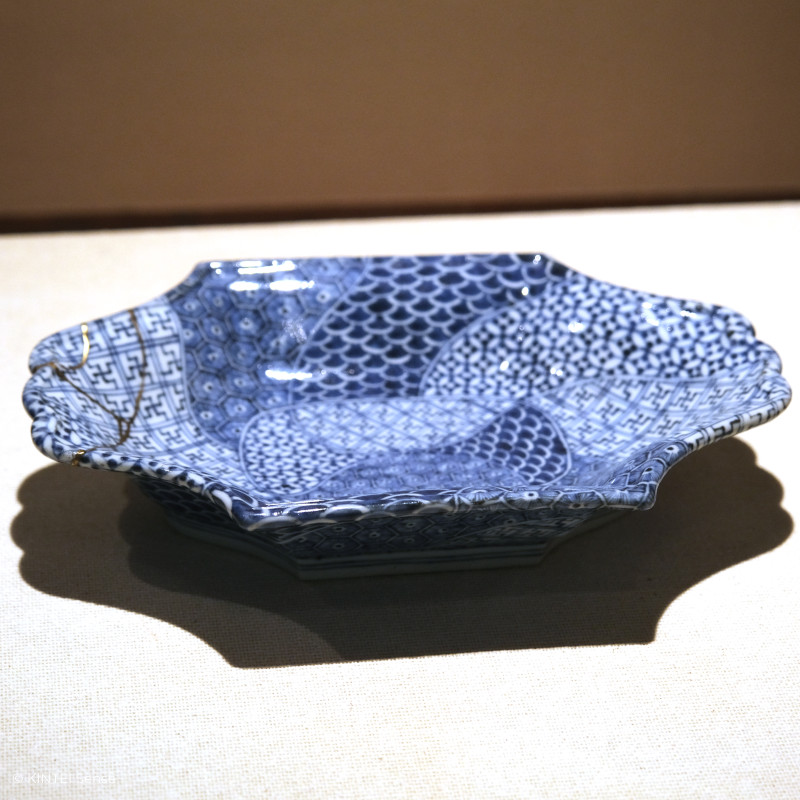
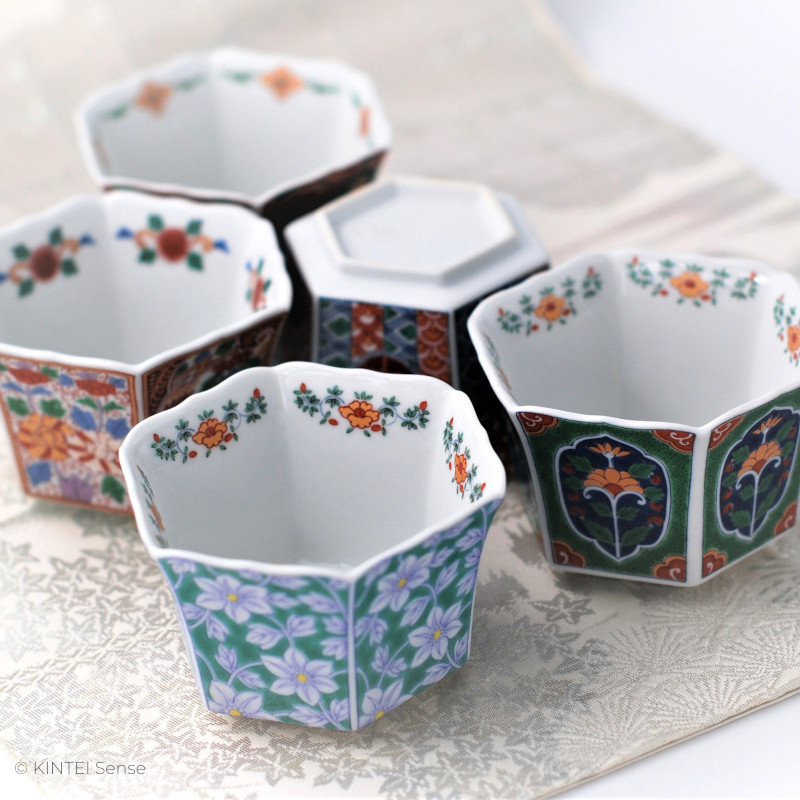
Porcelain is made from fine, white porcelain and kaolin clay and fired at very high temperatures (over 1300°C). Japanese porcelain is usually more heat-resistant and also more robust than bone china porcelain or Porcelaine de Sèvres. Historically, porcelain ceramics developed in Japan from the 17th century onwards, after the first discoveries of kaolin-containing clay in Kyushu.
Arita, Imari or Kutani porcelain as well as Kyo-Yaki from Kyoto are characterized by elaborate, color-intensive paintings for export. The local, somewhat restrained Japanese taste, on the other hand, prefers Sometsuke porcelain, which immortalizes typical Japanese motifs or geometric patterns in subtle blue Gosu on white porcelain.
Bibliography and links:
https://www.nihonkogeikai.or.jp/en/ceramics
Christime Shimizu, Le Grès Japonais
Sake Ceramics
Kintei Sense

Tea Ceremony and Japanese Ceramics
Kintei Sense
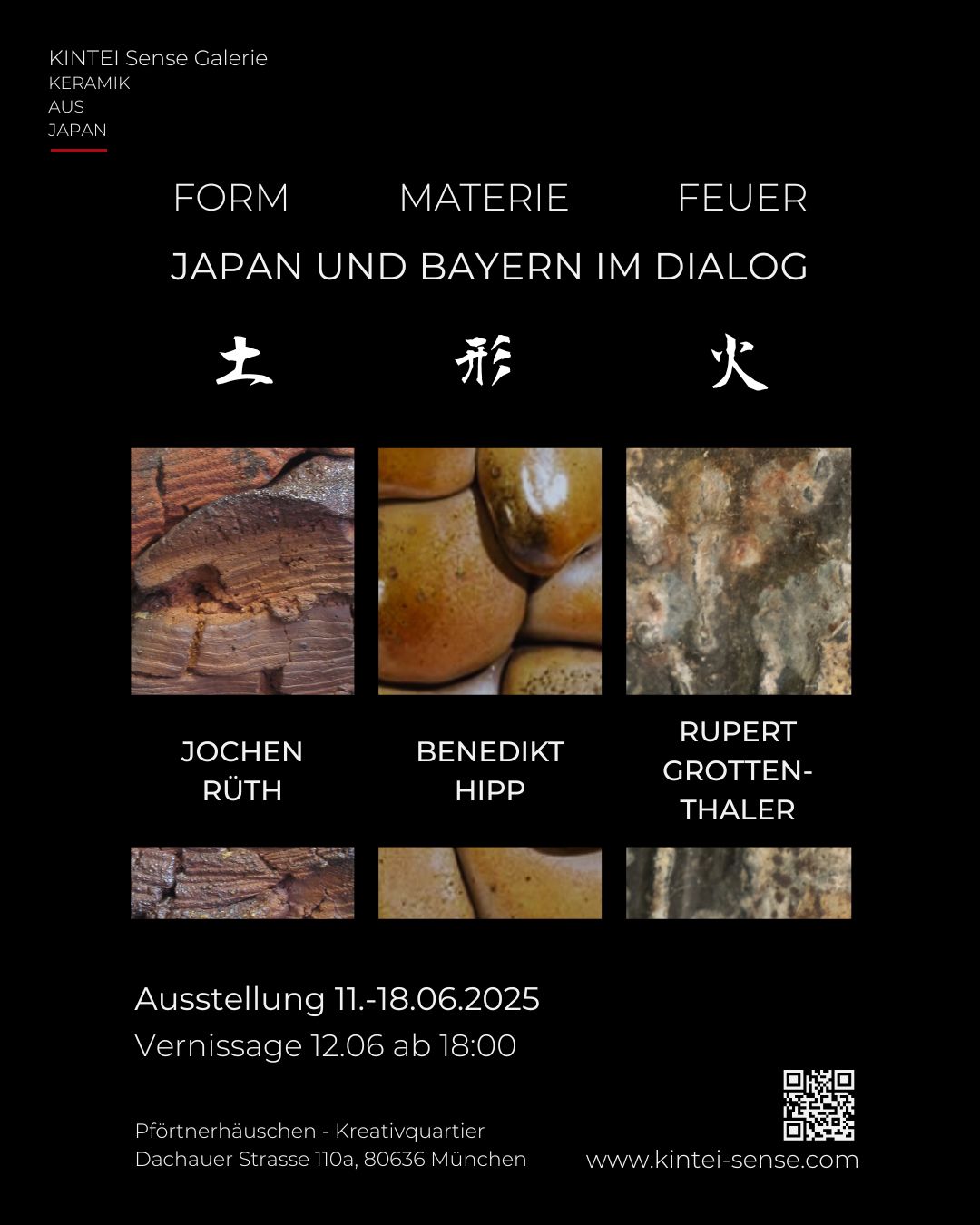
Exhibition Japan and Bavaria in Dialogue 2025
Kintei Sense
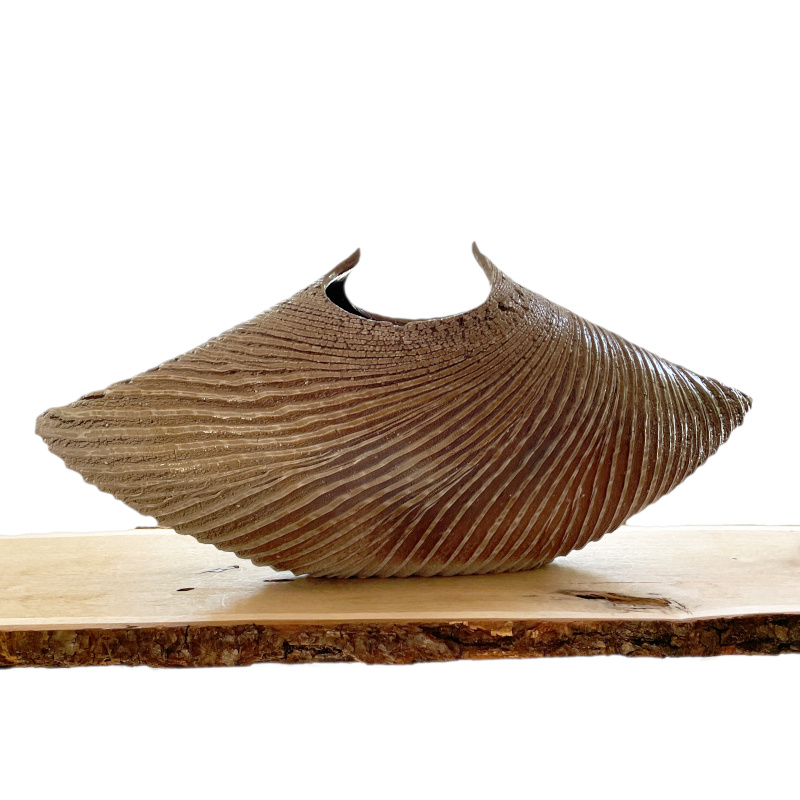
Exhibition Nature in Motion 2025
Kintei Sense
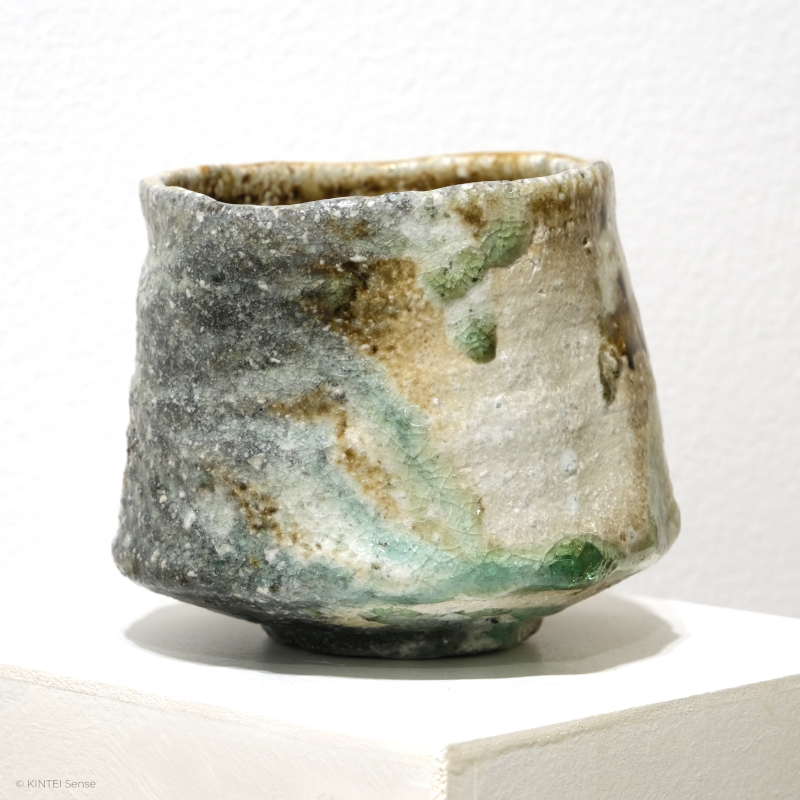
Shigaraki Ceramics
Kintei Sense

Karatsu Ceramics
Kintei Sense

Wabi-Sabi
Kintei Sense
