MANPU GAMA
万風 窯
TOYOHARA MANPŪ
豊原 万風
At a Glance
| Location | Zao, Miyagi Prefecture, Japan |
| Founded | 1988 |
| Style | Yakishime (wood firing), Kohiki, glazed local ceramics |
| Kiln | Anagama, oil kiln |
| Clay | Local clay, Shigaraki |
| Glaze | Blue Warabai glaze, Kohiki, Zao-clay slip |
Manpu Gama & ZAO-YAKI: Ceramics from the Zao Mountains
The Zao Mountains in Miyagi Prefecture are a place where the forces of nature are deeply felt. Volcanic soils, mineral-rich waters and long winters shape both the landscape and the rhythm of daily life. In winter, heavy snowfall transforms the forests into the famous Juhyō, or “snow monsters”—trees sculpted by ice and wind into quiet, monumental forms. The region is also home to numerous hot springs, making it a favourite destination for those drawn to the restorative experience of an onsen.
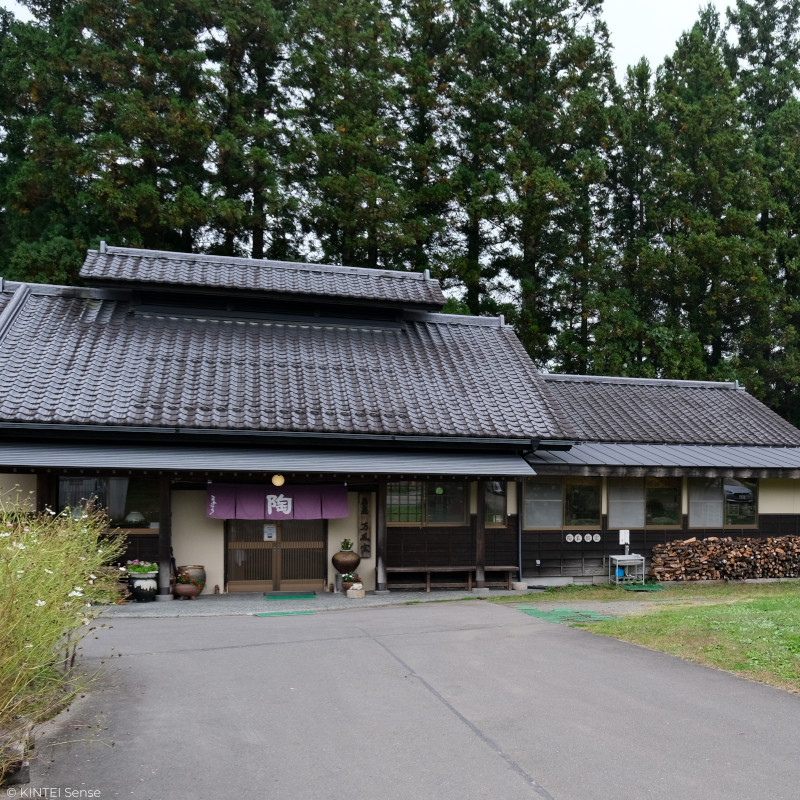
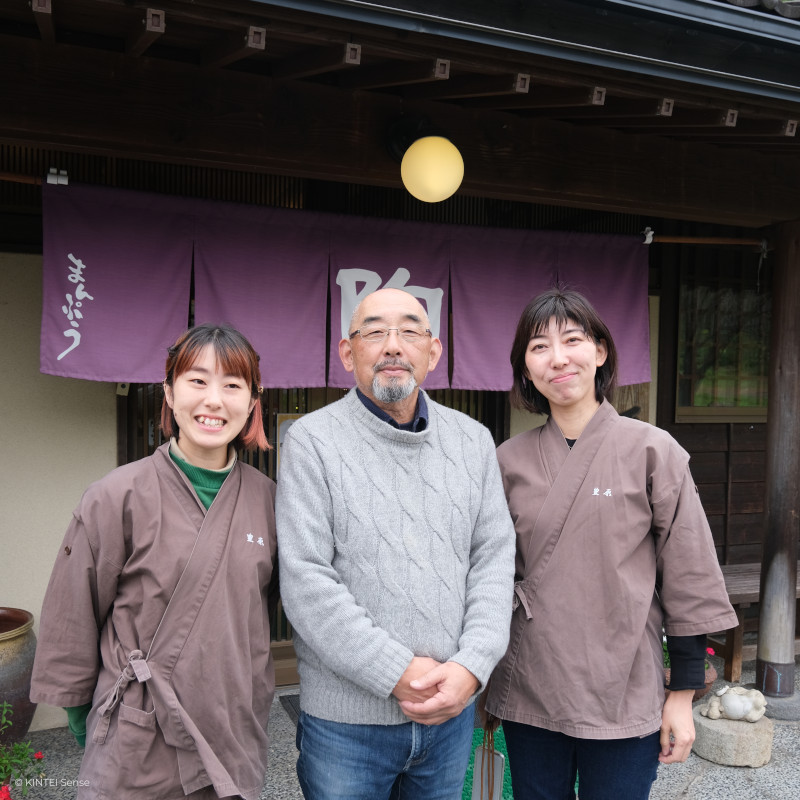
Tucked away along the winding mountain roads of this striking landscape lies the studio of ceramic artist Manpu Toyohara: Manpu Gama. Founded in 1988 with a clear focus on wood-fired ceramics, the studio is now run by Manpu Toyohara together with his two daughters. Their work is deeply connected to its surroundings: here, Zao-yaki emerges from a direct engagement with the climate, materials and landscape of the region.
THE BEAUTY OF THE EVERYDAY: FUNCTIONAL CERAMICS
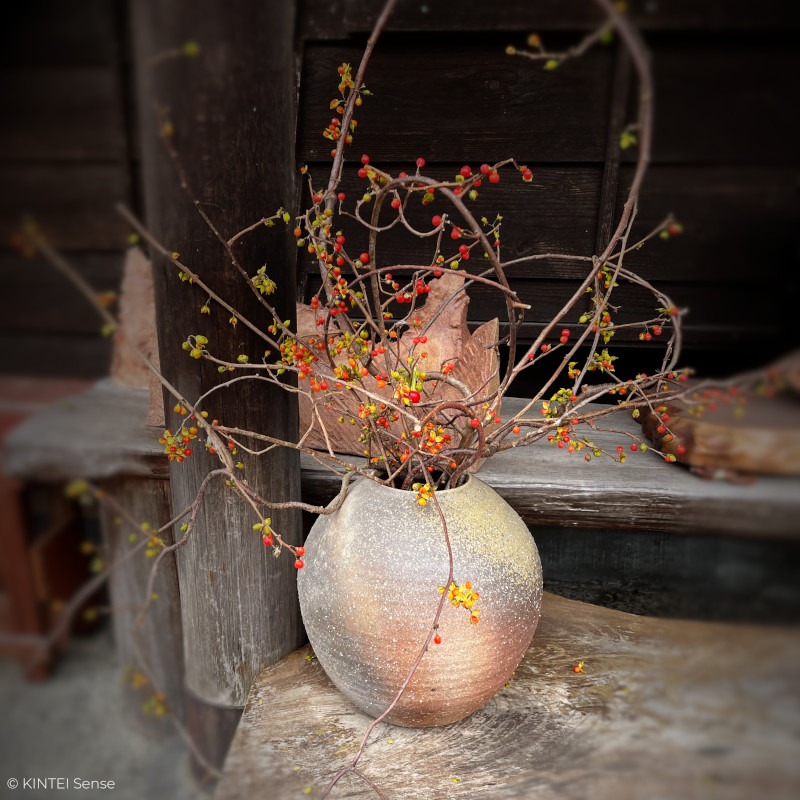
Manpu Gama focuses on functional ceramics made for everyday use. Tea bowls, cups, plates, sake vessels and large vases form the core of its production. Each piece is made to be used, touched and experienced. Proportion, balance, weight and durability are considered with the same care as texture and form, always in close dialogue with the character of the material.
The studio works with a variety of clays. Locally sourced Zao clay, rich in iron and minerals, is used alongside Shigaraki clay. Zao clay brings warmth and a direct connection to the region, while Shigaraki clay—valued for its robust structure and strength at high temperatures—plays an important role, particularly in wood-fired work.
Variation is embraced as a natural part of the process. Rather than striving for strict uniformity, each piece reflects the particular conditions of its making and firing, revealing subtle differences of its own.
ZAO-YAKI: A DIVERSITY OF STYLES
YAKISHIME (ANAGAMA FIRING)
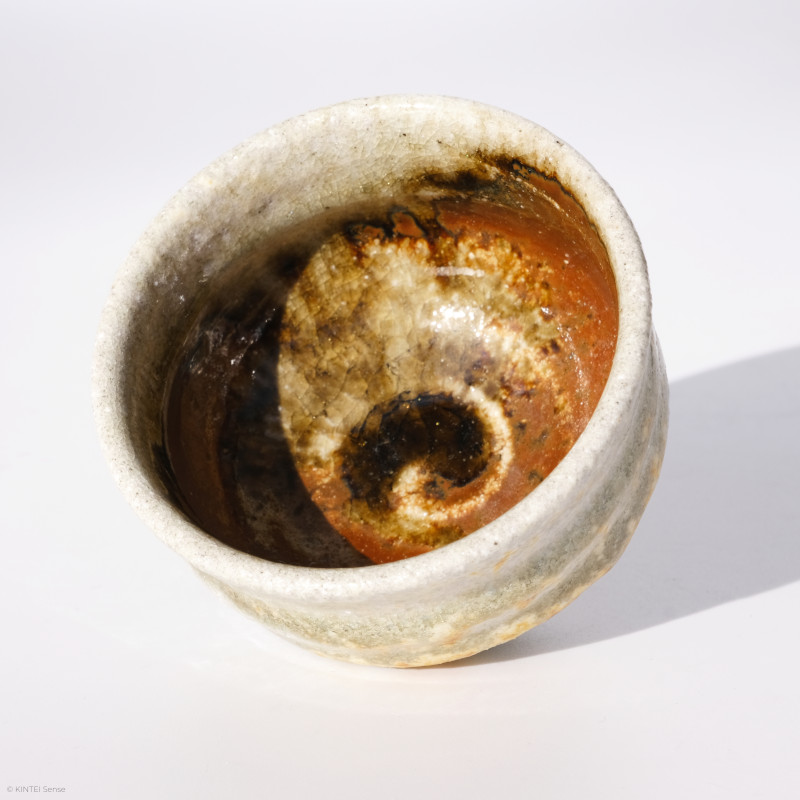
Yakishime-Arbeiten werden im Anagama-Ofen ohne Glasur gebrannt. Während des Brandes zirkuliert Holzasche durch die Brennkammer und lagert sich natürlich auf den Oberflächen ab. Bei hohen Temperaturen schmilzt die Asche und verbindet sich mit dem Ton, wodurch natürliche Glasurmuster, ruhige Fließspuren und eine große tonale Tiefe entstehen.
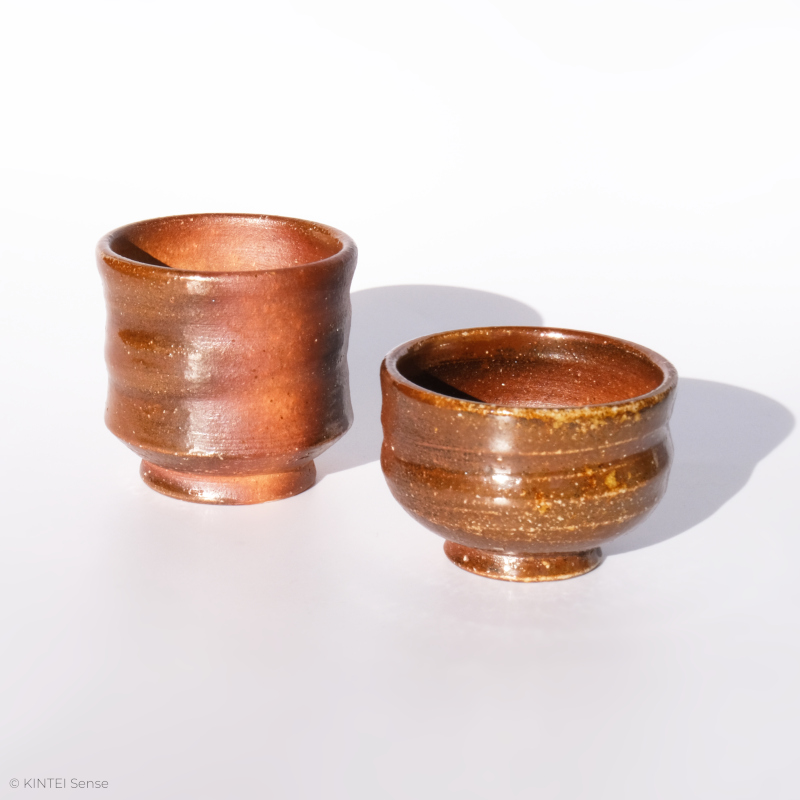
Yakishime pieces are fired unglazed in an Anagama kiln. During the firing, wood ash circulates through the chamber and settles naturally on the surfaces. At high temperatures, the ash melts and fuses with the clay, creating natural glaze patterns, subtle flowing marks and remarkable tonal depth.
BLue Series
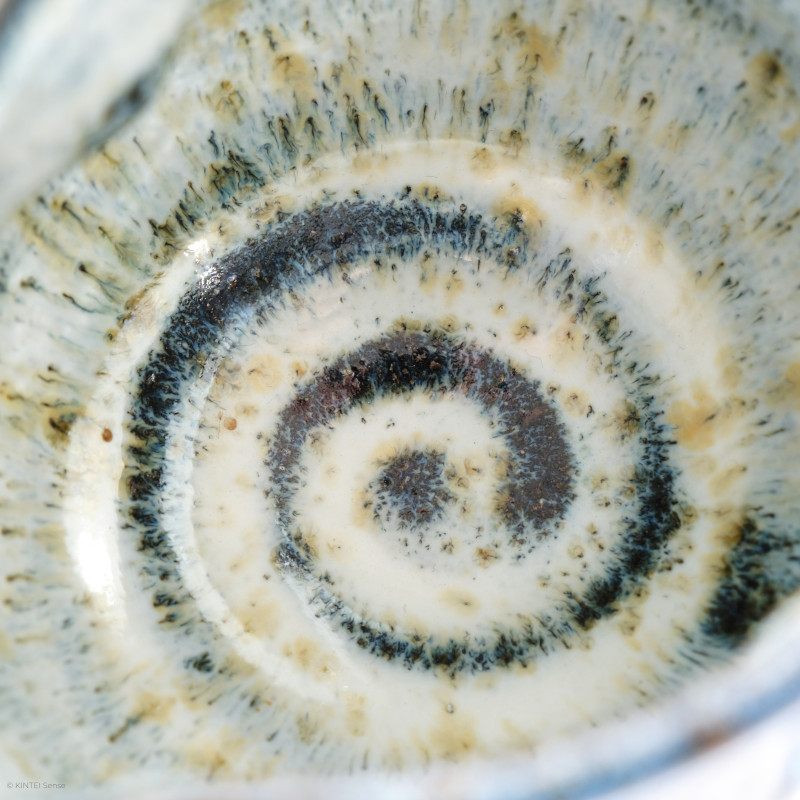
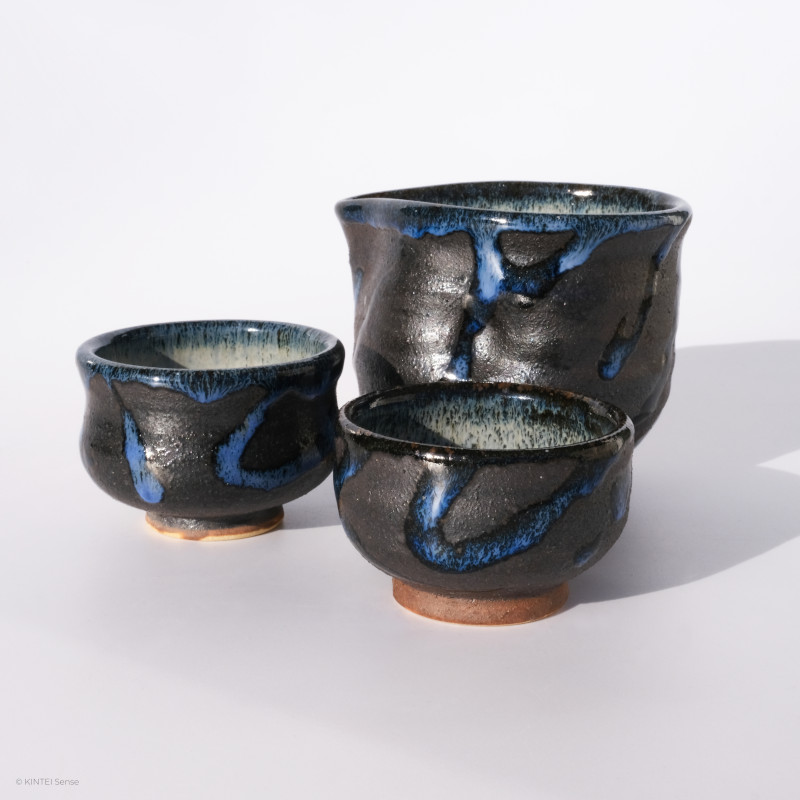
The Blue Series is a signature style of Manpu Gama. It explores more intense colour effects through the interplay of glazes, with a particular focus on shades of blue.
For this technique, Shigaraki clay is coated with an iron-rich slip made from local Zao clay, then finished with a natural straw-ash glaze containing cobalt. Fired in an oil-fired kiln, the pieces develop layered shades of blue, with patterns that emerge directly from the conditions of the firing.
KOHIKI
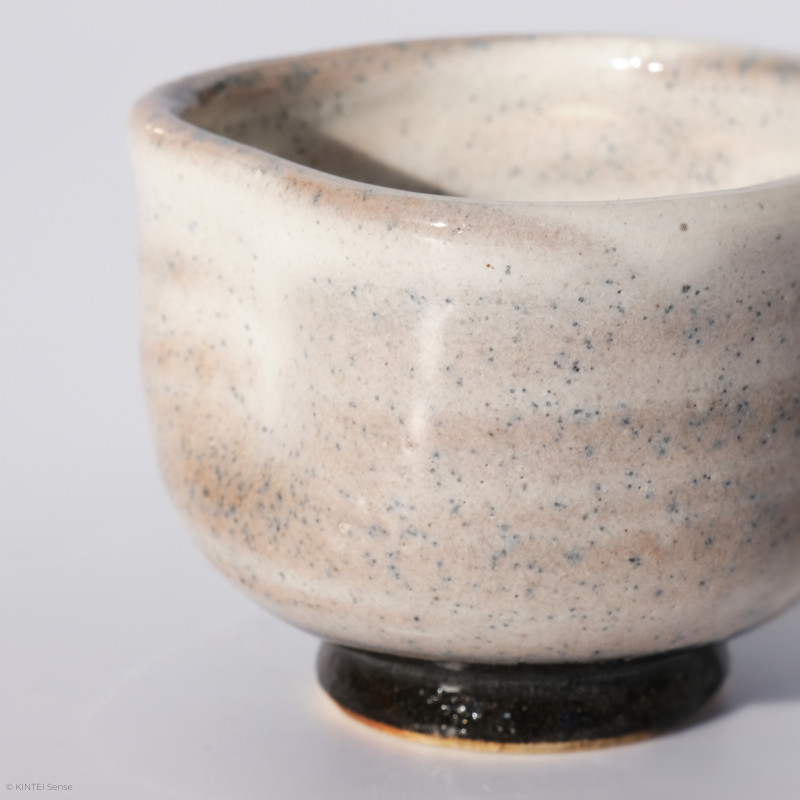
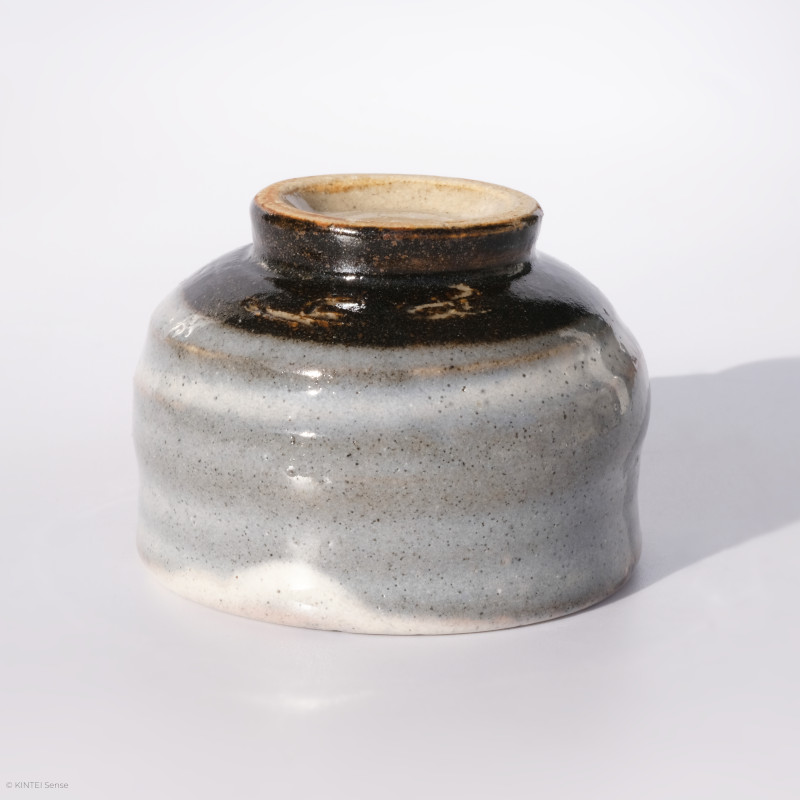
Kohiki works have a quieter, more understated appearance. A light slip is applied over the dark clay body, creating soft grey, richly layered surfaces after firing, with delicate nuances of pink. The texture has a silky feel and is designed to offer a pleasing tactile experience in everyday use.
These pieces are fired in an oil-fired kiln, which provides a stable firing atmosphere while still allowing for subtle variations. At Manpu Gama, Kohiki embodies balance and understated refinement.
THE ANAGAMA KILN – THE HEART OF MANPU GAMA
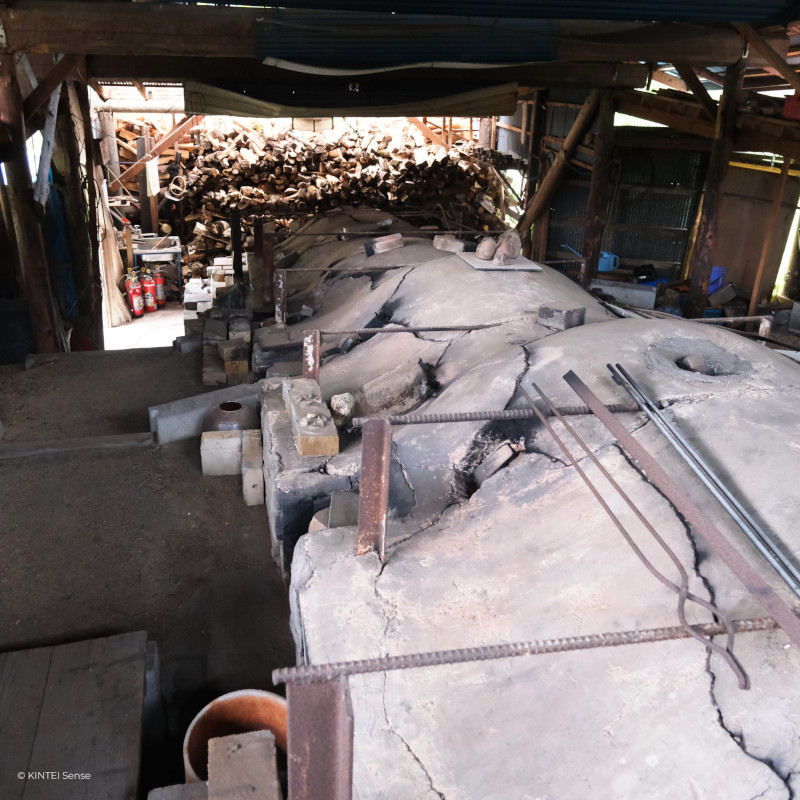
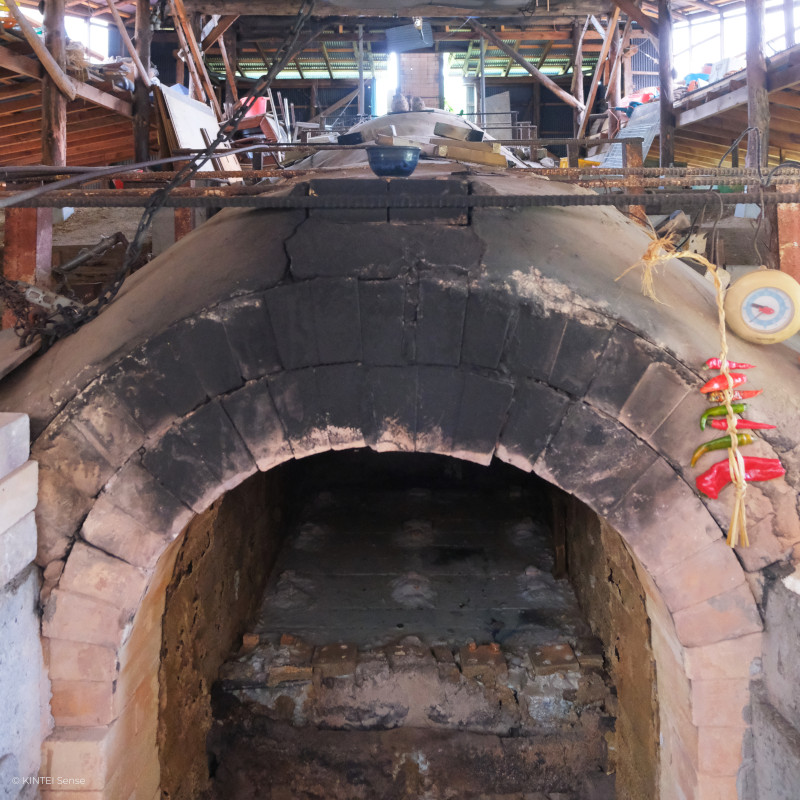
At the heart of Manpu Gama is its 12-metre-long Anagama kiln. It defines the identity of the studio, while demanding an equally high degree of care and precision.
Firing a kiln of this scale demands considerable physical effort and extensive preparation, including producing a sufficient number of pieces and maintaining continuous shifts over several days. As the Zao region is prone to earthquakes, these prolonged firing periods also increase the risk of fire damage should seismic activity occur.
For this reason, the kiln is now generally loaded to only around one-third of its length, with a capacity of approximately 1,000 pieces. The firings take place every two years and last up to four days and nights of continuous stoking. By limiting the duration of the firing, the studio reduces the risks involved without compromising the essential character of wood firing.
MANPU GAMA AS A LOCAL CULTURAL ANCHOR
Manpu Gama is more than a place of production; it is also a place where people come together. Pottery classes bring participants of different ages and backgrounds from the local community together, reflecting the belief that ceramics are a natural part of everyday life.
Wie viele handwerkliche Werkstätten spiegelt auch Manpu Gama eine enge Beziehung zur Umgebung von Zao wider. Klima, Gelände und Materialbedingungen beeinflussen Entscheidungen in allen Phasen – von der Auswahl des Tons bis zur Nutzung des Ofens. Die Stärke des Ateliers entsteht aus dem Arbeiten innerhalb dieser Gegebenheiten, nicht aus dem Versuch, sie zu überwinden.